

Why Is My Male Dog Suddenly Marking in the House?

Male dog marking inside the house is usually a communication behavior, not revenge or bad manners. The right plan is to separate marking from a full-bladder accident, protect the house while you supervise, and ask your vet if the behavior is sudden, painful, or paired with other changes.
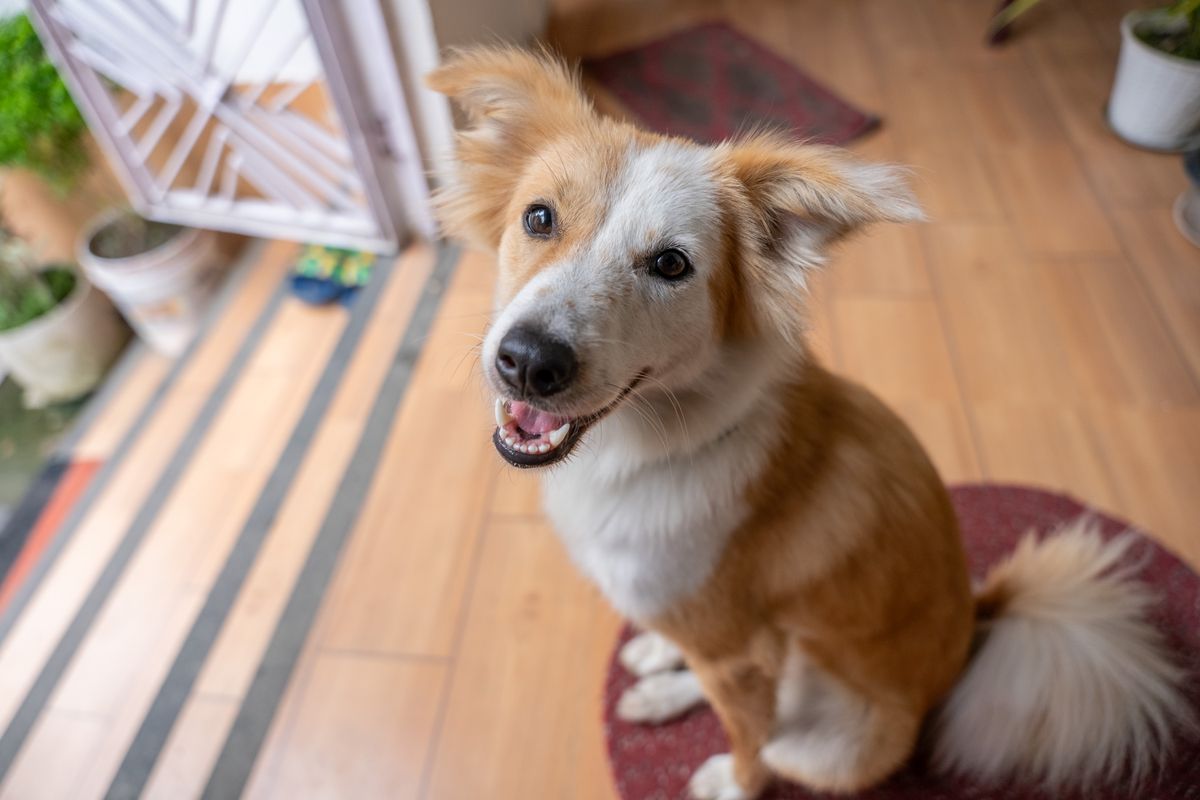
Why do male dogs mark indoors?
Male dogs mark indoors because urine can carry social information, especially around territory, unfamiliar scents, new people, or other animals. Merck Veterinary Manual explains that marking is urination or defecation used to send a social signal, and male dogs often lift a leg to leave small amounts on objects.
That distinction matters at home. A puddle in the middle of the floor after eight hours alone may be a bladder-management problem. A few drops on a chair leg, plant pot, door frame, or guest bag may be marking. Owners often feel embarrassed because the spot is so visible, but the dog is usually responding to scent and context.
A dog diaper liner is an absorbent pad that attaches inside a diaper or wrap and is swapped out when wet. It is a surface-protection layer for owners who need to protect the home while they work on the cause.
Is it marking or a potty accident?
You can usually tell by the pattern, not by one incident. Marking tends to be small-volume, repeated, and aimed at vertical or scent-rich targets, while a potty accident is more likely to be a larger release on a horizontal surface.
| Clue | More like marking | More like a potty accident |
|---|---|---|
| Amount | A small spray or dribble | A larger puddle |
| Target | Furniture legs, corners, doors, bags | Floor, bed, crate, rug |
| Posture | Leg lift or angled body | Normal urination posture |
| Timing | Visitors, new smells, other dogs nearby | Long gap since last potty break |
| Next step | Manage triggers and supervise | Review schedule and health signs |
Do not treat this table as a diagnosis. It is a sorting tool for what to watch next.
What changed right before the marking started?
The useful question is not, "Why is he doing this to me?" It is, "What changed in his scent map?" A new dog outside the window, a visiting pet, a guest's suitcase, a renovation project, a new work schedule, or a recently cleaned room can all change the way the house smells to him.
VCA's marking guidance notes that anxiety, frustration, social changes, and environmental changes can trigger marking. That does not mean every marking dog is anxious. It means the owner should look at the scene around the behavior instead of assuming the dog forgot training.
That protection layer does not prove why a dog is marking. Its job is narrower: keep small urine drips from becoming a floor or furniture problem while the household identifies the actual trigger pattern.
Where should you block access first?
Block access to the targets that have become repeat stations. Street-facing windows, plant stands, sofa corners, laundry baskets, guest bags, and the edge of a favorite chair are common places to start.
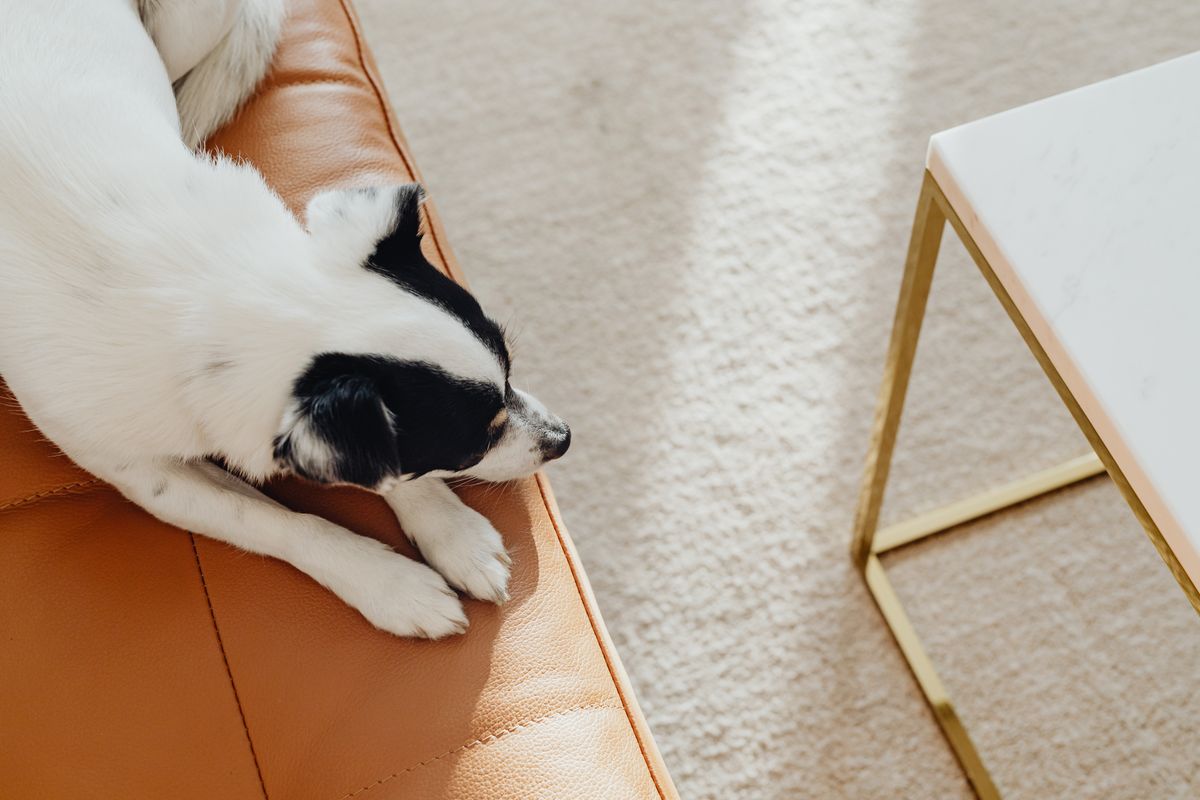
Use gates, closed doors, leashes indoors, or a supervised settle mat. This is not punishment. It is a way to stop the dog from practicing the same pattern while you clean thoroughly and reward better choices. If he marks the same chair every afternoon, leaving that chair available every afternoon teaches the wrong routine.
Clean old spots with an enzymatic cleaner and give the surface time to dry. Dogs return to scent. If your nose says the room is clean but the dog keeps returning, assume his nose has better data.
How does PAWPANG fit a marking routine?
PAWPANG's dog diaper liners fit inside a washable belly band or diaper, so the wet layer can be changed without washing the whole wrap each time. That does not train the dog, but it can keep furniture, rugs, and bedding from turning every slip into a laundry event.
The practical routine is simple. Put the wrap on only during supervised risk windows, check it often, remove it when wet, and keep normal potty breaks on schedule. A liner is a management layer, not permission to leave a wet band on the dog.
This is also where fit matters. A wrap that twists, gaps, or slides will miss the spray. A liner that is loose inside the wrap can bunch. The peel-and-stick backing helps the pad stay where the urine is most likely to land.
When should you call the vet instead of assuming marking?
Call your vet if the behavior starts suddenly in a dog who was reliably house-trained, if he strains, cries, licks himself more than usual, drinks more, produces much larger puddles, or seems unable to hold urine. VCA's house-soiling article lists physical illness, discomfort, increased urine volume, anxiety, and age-related changes among reasons a dog may soil indoors.
Marking can be normal communication, but sudden urination changes can also be health-related. The safest owner move is to separate surface protection from medical judgment. Use the former at home. Leave the latter to your veterinarian.

What should the first seven days look like?
Spend one week gathering evidence before you decide the whole plan. Write down time, place, target, who was home, whether another dog passed by, whether visitors arrived, when he last went outside, and whether the amount looked small or large.
A seven-day log often reveals a plain pattern. If you are comparing protection layers while you track that pattern, this related PAWPANG guide to waterproof covers, diapers, and liners gives a broader way to think about surfaces and absorbency. Maybe he marks only after seeing the neighbor's dog. Maybe he marks guest bags, not furniture. Maybe the issue happens after long naps and is not marking at all. Once the pattern is visible, the plan becomes smaller and more humane.
FAQ
Is indoor marking a sign my male dog is angry?
Usually, no. Marking is more often scent communication, habit, hormones, stress, or response to a changed environment than anger.
Can a belly band solve male dog marking?
A belly band can protect surfaces while you supervise and train, but it does not teach the dog to stop marking. PAWPANG can be used as the absorbent liner inside the wrap so the wet layer is easier to change.
Should I punish my dog for marking inside?
No. Punishment can add fear or stress, and stress can make the pattern harder to solve. Interrupt calmly if you catch the posture, then guide him to an appropriate area.
How often should I check a belly band or liner?
Check frequently during use and remove it as soon as it is wet. A wet wrap should not stay against the skin.
When is marking actually a vet issue?
If the urination is sudden, painful, frequent, large-volume, bloody, or paired with drinking changes, talk to your vet if this continues.