

Waterproof cover, dog diaper, or liner for senior dog night accidents?

No single layer solves every senior dog night accident. Waterproof covers protect the bed, dog diapers contain urine on the dog, and liners make the wet part faster to replace. The right setup usually combines two layers: one on the dog and one under the dog.
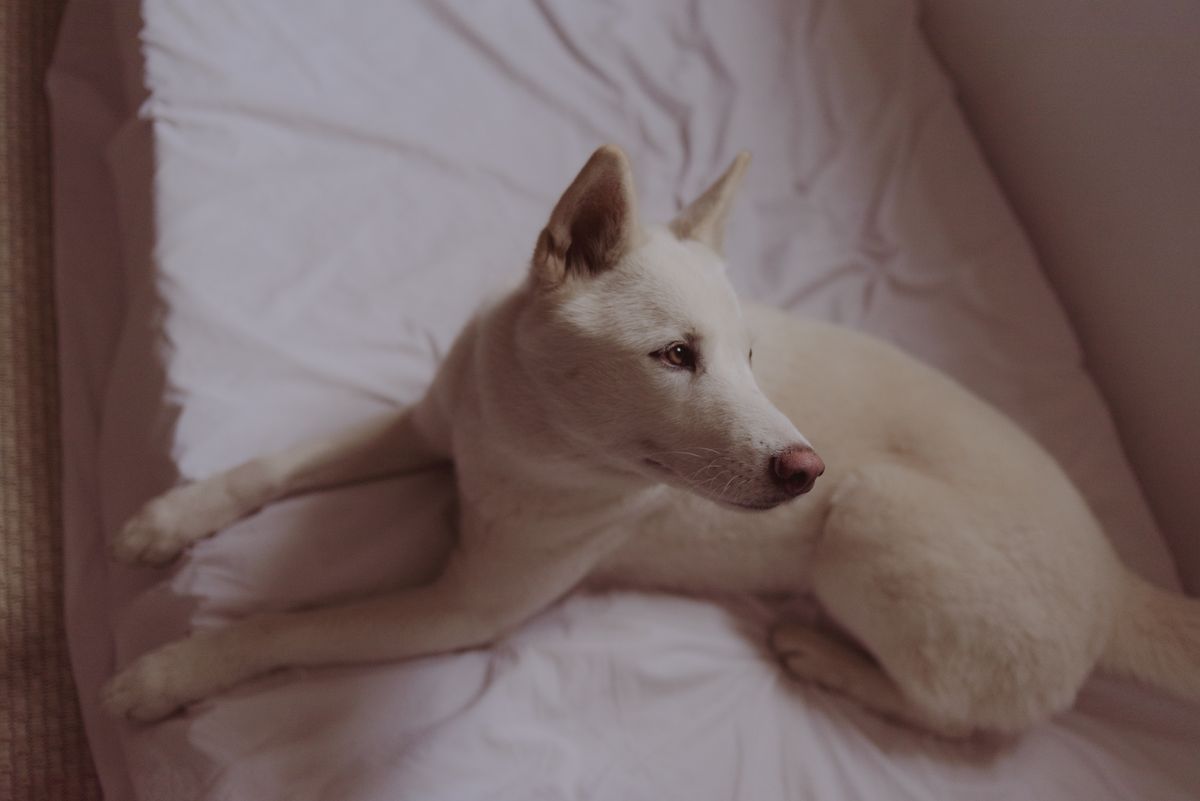
The reason this choice feels confusing is that each product protects a different surface. A mattress cover protects the mattress. A washable pad protects the sheet or dog bed. A diaper protects the dog's body and nearby fabric. A liner protects the diaper from becoming the first thing that has to be washed.
A dog diaper liner is an absorbent insert that attaches inside a diaper or belly band and is changed separately from the outer diaper; PAWPANG dog diaper liners add an adhesive absorbent layer for families who already use a diaper but want fewer full diaper changes.
What does a waterproof cover actually protect?
A waterproof cover protects the surface under your dog, not your dog's skin. It is useful when a senior dog sleeps on a bed, couch, crate mat, or orthopedic bed that is hard to wash, because it creates a backup layer if the diaper leaks or the dog is sleeping without one.
Its weakness is timing. If urine stays between the dog and the cover for several hours, the cover may save the mattress while the dog still wakes up damp. That is why bedding protection and body protection are related but not identical.
Use a waterproof cover when the surface is expensive, hard to launder, or emotionally painful to lose. Use it as the floor of the system, not as the whole system.
What does a dog diaper protect overnight?
A dog diaper protects the area around the dog by holding urine close to the body instead of letting it spread into bedding. For senior dogs who leak while sleeping, that can be the difference between one contained change and a stripped bed at sunrise.
Merck Veterinary Manual describes urinary incontinence as unconscious urine passage and notes that incontinent animals may leave urine where they have been lying. That makes the overnight diaper question practical: the accident may happen while nobody is awake to respond.
The weakness is that a diaper can become the wet item. If the diaper absorbs most of the urine, you still need to remove it promptly, clean the dog, and wash or replace the diaper.
What does a liner add to a dog diaper?
A liner adds a replaceable absorbent layer inside the diaper, so the first wet item can be peeled out instead of forcing a full diaper change every time. That matters most when the outer diaper fits well but becomes laundry after every small leak.
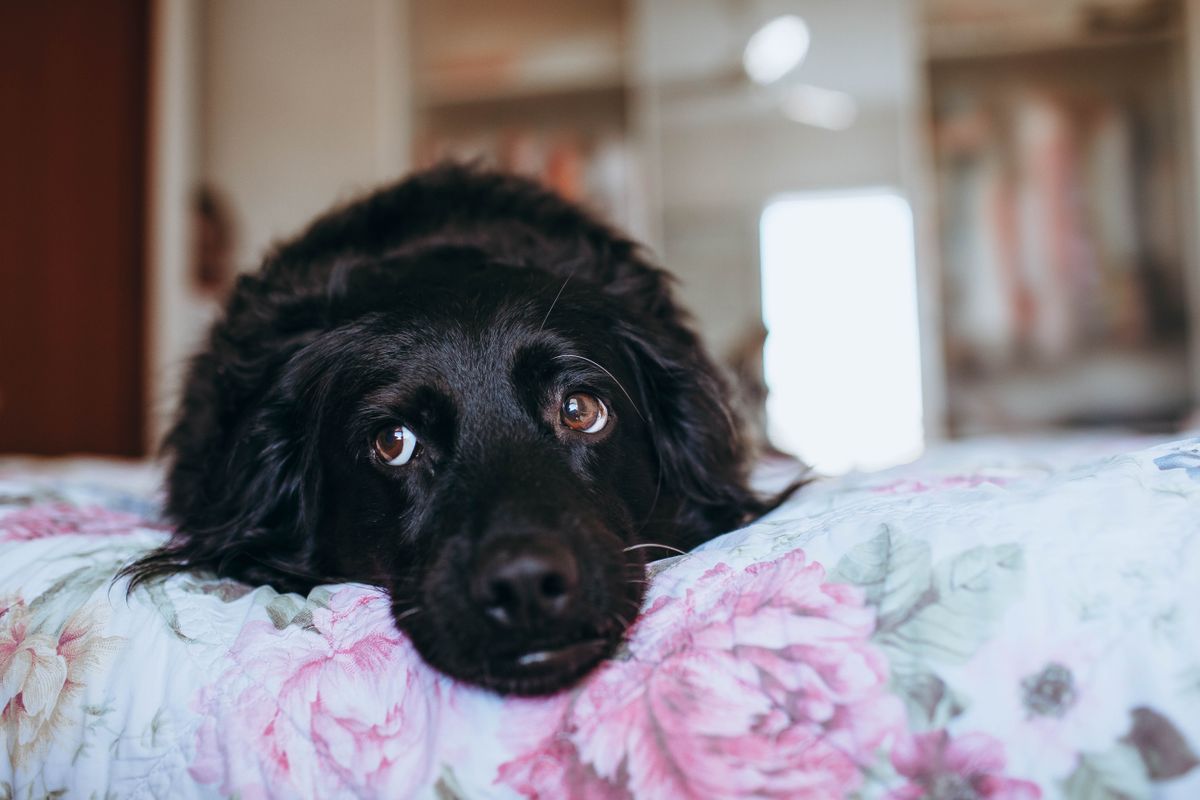
PAWPANG's dog diaper liners use an adhesive backing that attaches inside reusable or disposable dog diapers and belly bands. In overnight use, that means the liner should be placed where your dog usually wets, then checked in the morning before the dog moves around.
A liner does not make the diaper safe to ignore. It simply gives you a smaller wet layer to remove first.
Which option is better for wet bedding?
For wet bedding, start with the question “what got wet first?” If the sheet is wet but the diaper is dry, the diaper may have shifted or the dog may have slept outside the protected zone. If the diaper is soaked and the sheet is damp, absorbency or timing may be short. If the liner is wet and the diaper is dry, the system is working.
| Night accident problem | Better first layer | Better backup layer | Why |
|---|---|---|---|
| Mattress keeps getting wet | Dog diaper or belly band | Waterproof mattress cover | Body containment plus surface protection |
| Diaper is wet after every small leak | Dog diaper liner | Washable outer diaper | Replace the smaller absorbent layer first |
| Dog sleeps in one bed spot | Diaper or liner | Washable bed pad | Protects the usual sleep area |
| Dog moves between bed and couch | Diaper or belly band | Throws on surfaces with the most risk | The layer worn by the dog moves with the dog |
| Skin looks damp in the morning | Diaper or liner with a shorter wear window | Vet check if it continues | Skin comfort matters more than laundry |
This comparison also keeps expectations fair. A waterproof cover may be excellent and still leave your dog wet. A liner may be very absorbent and still need a morning change. Each layer has a job.
How do you choose for a senior dog who sleeps deeply?
Choose a setup that works while everyone is asleep: stable fit, absorbency in the wet zone, and a backup surface under the dog. Deep sleep changes the job because the owner cannot respond at the moment urine leaks.
A customer review in PAWPANG's records described a senior dog who slept deeply, had nighttime accidents in bed, and turned washable diapers plus bedding into constant laundry. The detail that stood out was not drama; it was the owner worrying about moisture against the dog's body by morning.
That is the lens to use. If the dog wakes dry but the bed is wet, fix the surface and fit. If the dog wakes damp, fix the body layer and wear time. If both happen, use both approaches.
Are liners better than disposable dog diapers?
Liners are not automatically better than disposable dog diapers; they solve a different problem. A disposable diaper is a full garment. A liner is a replaceable insert inside a diaper or belly band.
For some homes, disposable diapers are simpler. For others, especially homes already using washable diapers for fit or cost reasons, liners reduce the number of times the whole diaper has to be washed. PAWPANG dog diaper liners are also available in multiple sizes, which helps match the liner to the diaper rather than forcing one insert shape into every garment.
Avoid turning this into a loyalty test. The useful question is whether the current system fails because the surface is unprotected, the garment shifts, or the absorbent layer is overloaded.
What about skin comfort during long wear?
Skin comfort depends on moisture, friction, fit, and the dog's own health. Merck Veterinary Manual explains that dermatitis is skin inflammation with many possible triggers and signs such as redness, itching, scaling, odor, and hair loss, so a wet overnight setup should be watched rather than minimized.

If the diaper or liner is wet in the morning, remove it promptly. Let the area dry before putting on a fresh diaper. If redness, odor, licking, or soreness continues, the answer is not a thicker layer; it is a vet conversation.
This is where comparison shopping should slow down. The right product mix is the one that keeps moisture managed without encouraging you to stretch wear time beyond what your dog tolerates.
How should you build a two layer night setup?
Build from the dog outward. First, decide whether the dog needs a diaper or belly band while sleeping. Second, decide whether a liner helps keep the outer diaper cleaner. Third, protect the sleep surface with a washable pad or waterproof cover.
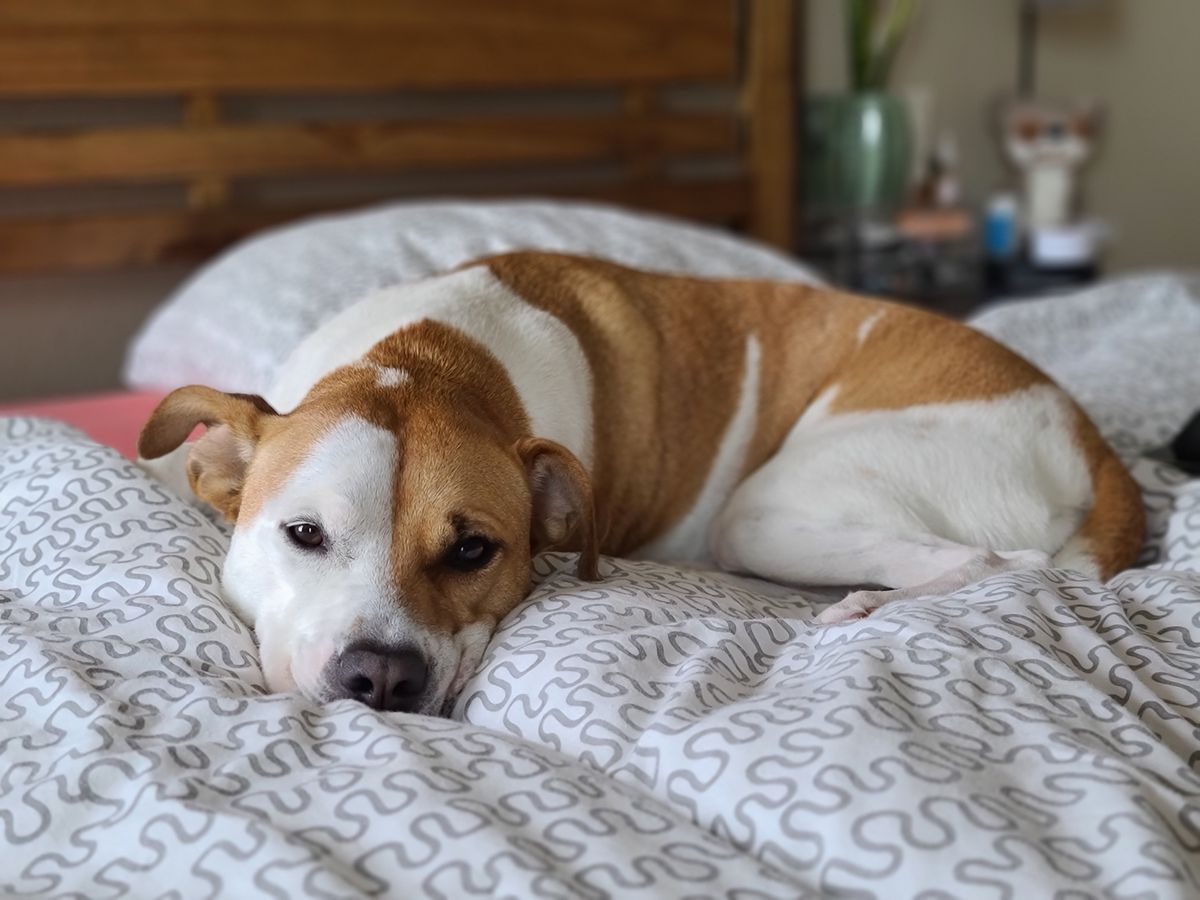
A simple setup might look like this: bathroom break, clean skin check, diaper with liner placed in the usual wet zone, washable pad on the favorite sleep spot, and a morning change before breakfast. That is enough structure for most families to learn what is failing without buying every product in the aisle.
If you are testing for the first time, change one variable at a time. Add a liner before changing diaper brands. Add a waterproof cover before replacing the whole bed. Otherwise you will not know what worked.
When should product choice stop and veterinary care begin?
Product choice should stop when the pattern changes medically: new accidents, sudden volume increase, straining, blood, pain, unusual thirst, repeated licking, strong odor, or skin that stays red. UC Davis VetMed advises speaking with a veterinarian when urinary accidents appear because multiple causes can look similar at home.
A cover, diaper, or liner can protect the bed while you arrange care. It should not become a substitute for figuring out why the accidents are happening. If this continues, talk to your vet.
FAQ
Do I need both a waterproof cover and a dog diaper?
Many senior dogs do better with both because they protect different things. The diaper or belly band contains urine on the dog, while the waterproof cover protects the bed if the first layer leaks or shifts.
Can I put a liner inside any dog diaper?
Many liners are designed for diapers or belly bands, but fit still matters. PAWPANG dog diaper liners are made for reusable and disposable dog diapers as well as belly bands, and the adhesive backing helps keep the insert placed inside the garment.
Is a washable bed pad enough for senior dog incontinence?
A washable pad may be enough for very occasional leaks on a predictable sleep spot. If the dog wakes damp, moves around the home, or leaves repeated wet areas, you may need a layer worn by the dog too.
Which layer should I change first in the morning?
Change the wettest layer first. If the liner is wet, remove it before the dog walks around. If the diaper is wet, remove the diaper and clean the dog. If bedding is wet, strip the surface after the dog is dry and comfortable.