

What should you do after your senior dog's diaper leaks overnight?

After an overnight diaper leak, clean and dry your dog first, preserve a few clues about where the leak began, then reset the bed and change only one part of the setup for the next night. Do not respond by piling on layers or tightening everything at once, because that hides the cause and may reduce comfort.
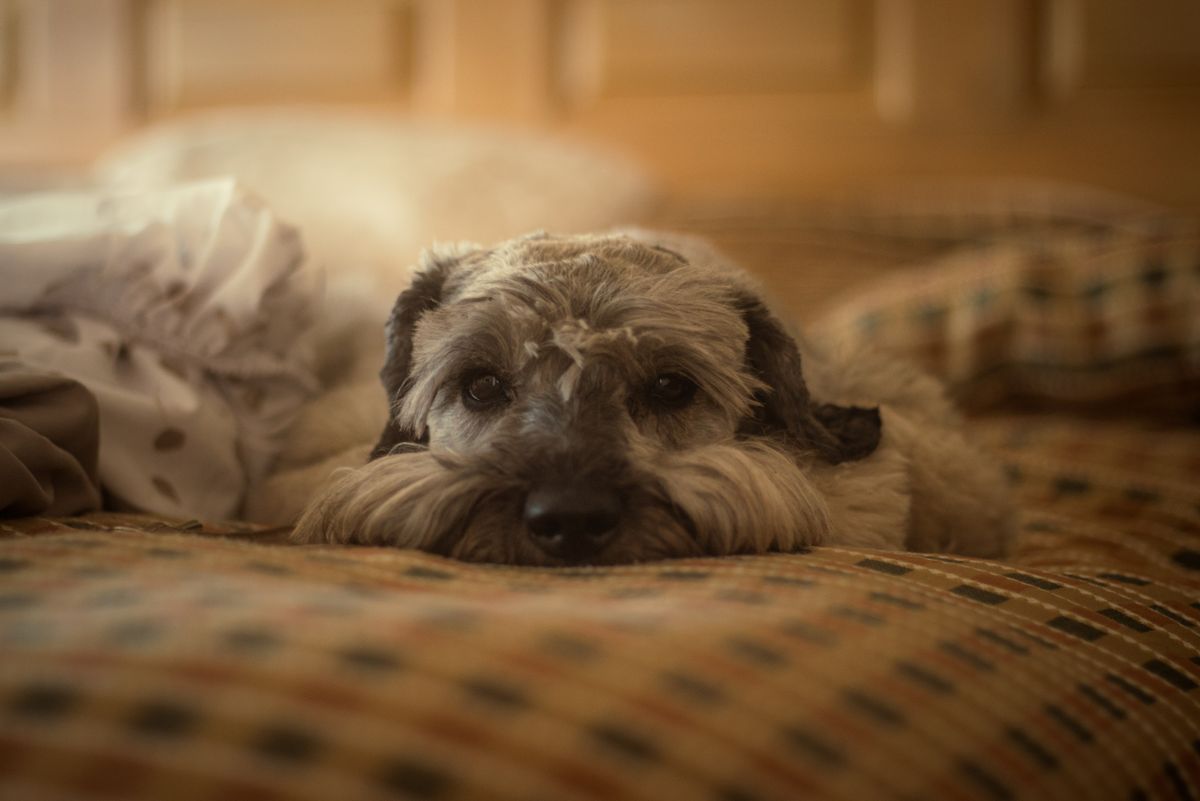
An overnight leak feels like a verdict at 6 a.m. It is usually better treated as a troubleshooting event. Your first job is care, your second is observation, and your third is one controlled adjustment before the next bedtime.
The Merck Veterinary Manual explains that dogs with urinary incontinence may pass urine unconsciously while sleeping or lying down. That means the dog may not have signaled, shifted, or awakened before the leak. Blame is useless; a clear morning sequence is useful.
First, make your dog clean and comfortable
Clean and dry your dog before stripping the whole bed or studying the diaper. Move slowly if your senior dog is stiff after sleep, support normal standing as needed, and avoid forcing a position just to make cleanup faster.
Remove the wet setup. Clean the coat and skin with the method your veterinarian has approved, then dry carefully, especially around folds and areas that were pressed against the wet material. If you see persistent redness, sores, swelling, pain, blood, or a strong new odor, photograph the area for your veterinary record and contact the clinic.
Do not apply a new product to irritated skin merely because it is marketed for people. Dogs lick, ingredients differ, and the reason for the irritation may not be obvious. Ask your veterinarian what is appropriate for your dog.
What evidence should you save before doing laundry?
Save the position and saturation clues for two minutes before washing everything. You do not need to keep a wet item; a quick photo and note are enough.
Record four things:
1. Where the bedding is wet relative to the dog's sleeping position.
1. Whether the liner is dry, partly wet, evenly saturated, folded, or detached.
1. Whether the outer diaper is twisted, loose, damp, or soiled.
1. The approximate time since the last outdoor break and fresh change.
This prevents the familiar morning problem in which every wet item goes straight into the washer and all useful information disappears. It also gives you something concrete to compare tomorrow.
How can the wet pattern reveal the failure point?
The wet pattern can separate a positioning problem from a likely timing or volume problem. It does not diagnose the reason your dog leaked urine, but it helps evaluate the management setup.
| Morning evidence | Most useful interpretation | Next controlled test |
|---|---|---|
| One side of liner remains dry | Release zone and liner no longer aligned | Adjust liner position, not absorbency |
| Liner is folded or curled | Motion or poor adhesion reduced coverage | Apply to a dry surface and test after walking |
| Liner is saturated throughout | Usable capacity or check timing was exceeded | Start fresh at bedtime and check earlier |
| Wetness tracks from a leg opening | Gap appeared during movement | Reassess shell fit in lying and standing positions |
| Diaper is dry but bedding is wet elsewhere | The urine may not have entered the diaper | Observe placement and sleeping posture |
| Stool is present | Full cleaning and complete change are needed | Reset the entire system promptly |
If the leak is part of a new urinary pattern rather than a one-off equipment problem, the notes are still valuable. VCA Animal Hospitals says a veterinary workup may use history, physical examination, urine testing, and imaging depending on the case. Your photo log can help you describe timing and pattern without pretending to identify the cause yourself.
Change one variable before the next night
Change one variable because changing size, tightness, liner count, bedtime, and check time together leaves you unable to tell what helped. Pick the adjustment that matches the evidence.
If the liner shifted, keep the same size and improve placement on a dry inner surface. If it was fully saturated, keep the fit stable and move the planned check earlier. If a leg gap appeared, test the diaper shell while your dog stands, walks, turns, and lies down. If the entire setup is wrong for the dog's anatomy, then test a different size, but do not combine that with three other experiments.
A three-night test is usually more informative than one perfect or terrible night. Note the outcome each morning and stop any adjustment that creates rubbing, restriction, anxiety, or worse leakage.
Should you add two liners after one bad leak?
No, two liners are not an automatic answer after one leak. Stacking can change the fit, create ridges, narrow the leg seal, or move the absorbent surface away from the body.
One dog owner reported using two liners end to end for nighttime backup with an elderly Chihuahua, while another reviewer described edge leakage during a large release despite using a liner. The first setup worked for that household, but it does not show that stacking fixes a leak; together, the accounts show why there is no universal stacking rule. Dog size, release location, diaper interior, movement, and volume all differ.
If you consider a modified setup, confirm that the diaper still closes normally and that no hard overlap or folded edge presses on the dog. A planned check and correctly placed single liner may be more predictable than extra bulk. Ask your veterinarian if mobility, skin, or anatomy makes fitting difficult.
How do PAWPANG liners fit the reset process?
PAWPANG liners fit the reset process as a replaceable inner layer, not as a reason to ignore a wet outer diaper. A dog diaper liner is an absorbent pad that attaches inside a diaper and is removed separately when the shell remains clean and dry.
The peel-and-stick backing helps hold the liner on the diaper's interior surface. Apply it flat, keep its edges away from closures and leg openings, then test the assembled diaper while your dog moves. PAWPANG's dog diaper liners offer multiple dimensions so the absorbent area can be matched to the usable interior of the diaper.
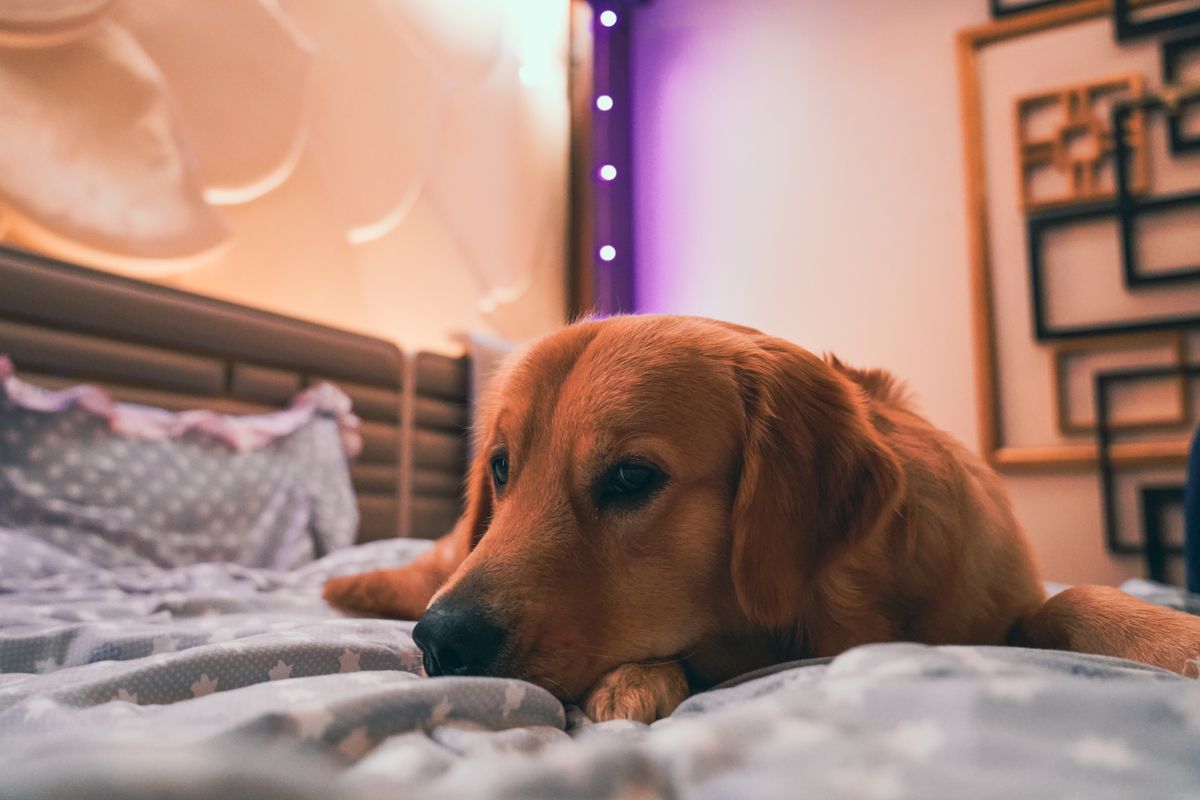
The useful system does not demand that you discard a washable diaper after every small accident. It lets you inspect the wet layer, replace it when appropriate, and wash the shell whenever the shell is wet, dirty, or no longer holding its shape.
For the next step, use our overnight senior dog diaper check guide to choose a check window based on the pattern you observed.
Build a calmer reset for tomorrow night
Tomorrow's reset should be prepared before the dog is tired. Assemble the fresh diaper and liner in daylight, test the fit during normal movement, and place a complete backup beside the bed.
Use a simple bedside kit: clean setup, towel, dog-safe cleaning supplies recommended for your pet, disposal bag, washable bed layer, and note card. Give your dog the usual last outdoor break. Avoid restricting water unless a veterinarian has specifically directed it; changing access on your own can be unsafe and also makes your troubleshooting data less meaningful.
Denise Weinberg wrote that adding liners to belly bands for her senior dog changed the worry around leakage. Aileen B. described the relief of rolling up a wet liner in the morning rather than automatically washing both the diaper and bedding. Those details capture the real goal: fewer cascading chores, with the dog's comfort still first.
When does a repeat leak need veterinary attention?
A repeat leak needs veterinary attention when it is new, worsening, or paired with straining, pain, blood, unusual odor, increased thirst, weakness, mobility change, restlessness, or skin damage. Equipment troubleshooting should not become a delay tactic.
Bring your timing notes and photos. Mention whether the dog leaks only while asleep, dribbles while walking, urinates normally when outside, or seems unaware of the wetness. Merck emphasizes that history and examination are central to classifying urination disorders.
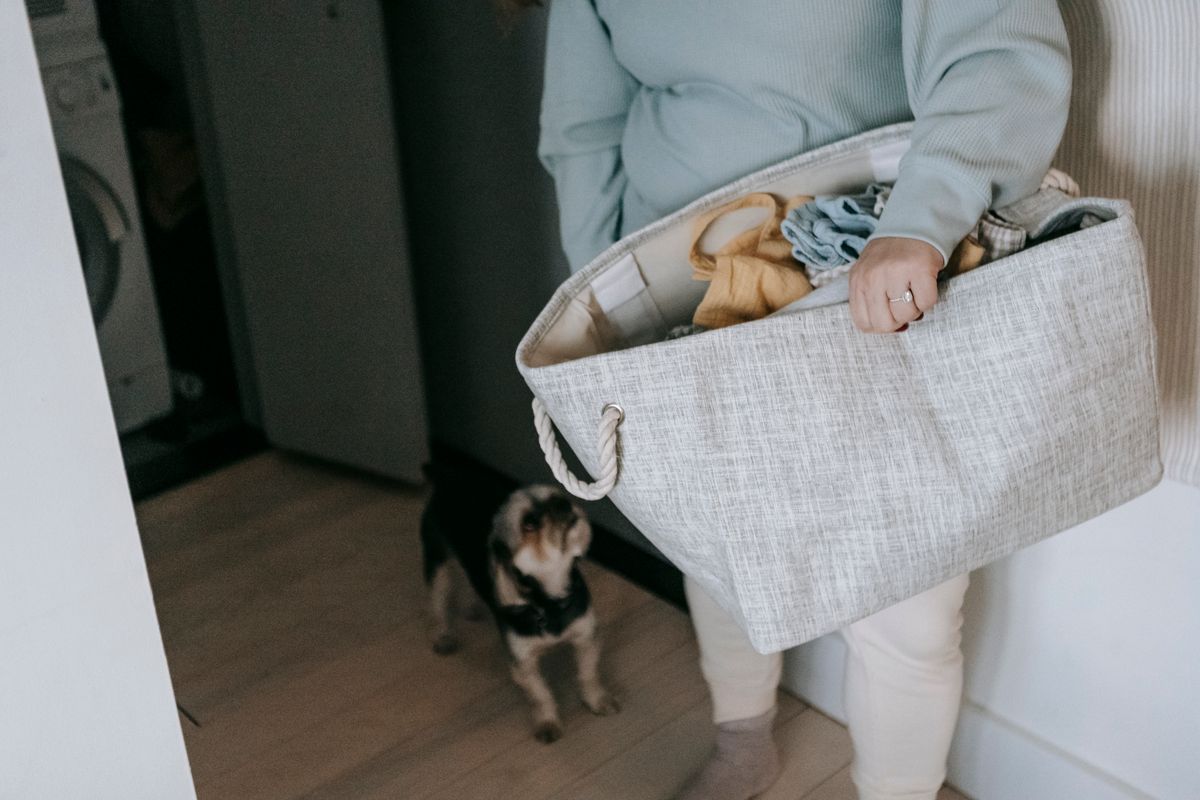
One leak is a cleanup. A pattern is information. Care for the dog, record what happened, adjust one thing, and talk to your vet if this continues.
FAQ
Should I wash the reusable diaper after every leak?
Wash it whenever the shell is wet, soiled, odorous, or misshapen. If only a removable liner is wet and the shell is truly clean and dry, the liner can be replaced separately according to the product and diaper instructions.
Can I reuse a dry-looking liner after the outer diaper leaked?
No. If the system leaked or shifted, reset it with a fresh liner so you can start the next test with known conditions.
Why did the leak happen only once?
One night can differ in movement, sleep length, release amount, placement, or timing. Record it, make only the most evidence-based adjustment, and watch for recurrence.
Can PAWPANG liners stop my dog's incontinence?
No. PAWPANG liners are hygiene-management inserts for dog diapers. They do not diagnose or change the medical reason for urine leakage.