

Why does my senior dog's diaper leak overnight even when it fits?

An overnight diaper can leak even when the waist looks snug because placement, absorbent coverage, movement, and the amount released all matter. The practical fix is to inspect where the wetness starts, then change one variable at a time instead of simply tightening the diaper.
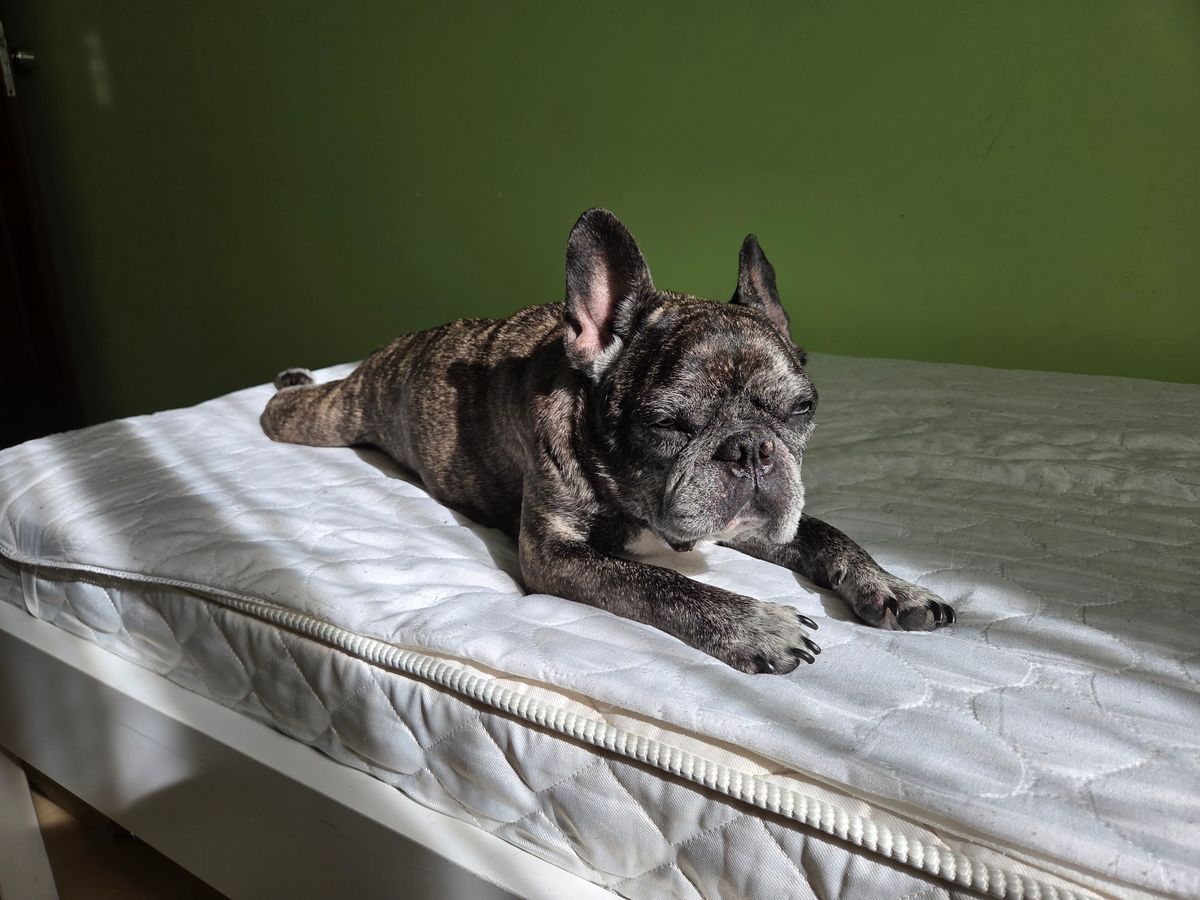
Picture the 5:10 a.m. version of this problem. The waistband is still closed, the diaper is still on, yet one edge of the bedding is damp. That does not automatically mean the entire system failed. It gives you a clue about where the setup lost contact or ran out of usable coverage.
Urinary incontinence means urine leaks without normal voluntary control. The Merck Veterinary Manual notes that affected dogs may leak while sleeping or lying down, so a nighttime accident may happen without the dog waking or moving toward the door.
Why can a snug dog diaper still leak at night?
A snug waist does not guarantee that the absorbent area stays under the point of release. A dog may curl, stretch, roll to the other side, or stand and circle before settling again. Each movement can pull the diaper shell forward or backward while the waistband still looks secure.
The location of the wet spot helps. Dampness near the tail opening suggests a different problem from dampness along the belly or leg opening. Look at the liner too. A partly dry liner beside a wet diaper usually points to placement or shifting, while a uniformly saturated liner points more toward volume or timing.
What should you inspect first after an overnight leak?
Inspect the dog, liner, diaper shell, and bedding before throwing anything into the wash. This two-minute check preserves the evidence you need for tomorrow night's adjustment.
| What you find | What it may suggest | One change for the next night |
|---|---|---|
| Liner is dry on one side | Liner shifted or missed the release zone | Re-center it and check contact while the dog is standing |
| Liner is full edge to edge | Capacity or change timing may be the limit | Use a fresh liner at bedtime and plan a scheduled check |
| Wetness is near a leg opening | Gap formed when the dog curled or stretched | Recheck leg fit without overtightening the waist |
| Diaper shell is damp but bedding is dry | Backup layer contained the overflow | Replace the liner sooner and keep the shell in rotation |
| Repeated large puddles or new dribbling | The pattern itself has changed | Record it and contact your veterinarian |
Do not diagnose the cause from the diaper alone. VCA Animal Hospitals explains that wet spots where a dog was sleeping are a common sign of urinary incontinence, but a veterinary history, examination, and testing are used to determine why it is happening.
Does liner placement matter more than waist tightness?
Yes, liner placement often matters more than adding waistband pressure. A dog diaper liner is an absorbent pad that attaches inside a diaper and is changed instead of replacing the whole diaper. PAWPANG liners use a peel-and-stick backing, so the goal is stable coverage inside the existing diaper, not extra squeeze around the dog's body.
Place the liner where your dog actually releases urine, not where the center of the diaper looks most symmetrical. Smooth it onto a dry inner surface. Then fasten the diaper and have your dog take several steps, sit, and lie down. Reopen the shell once to see whether the liner stayed flat.
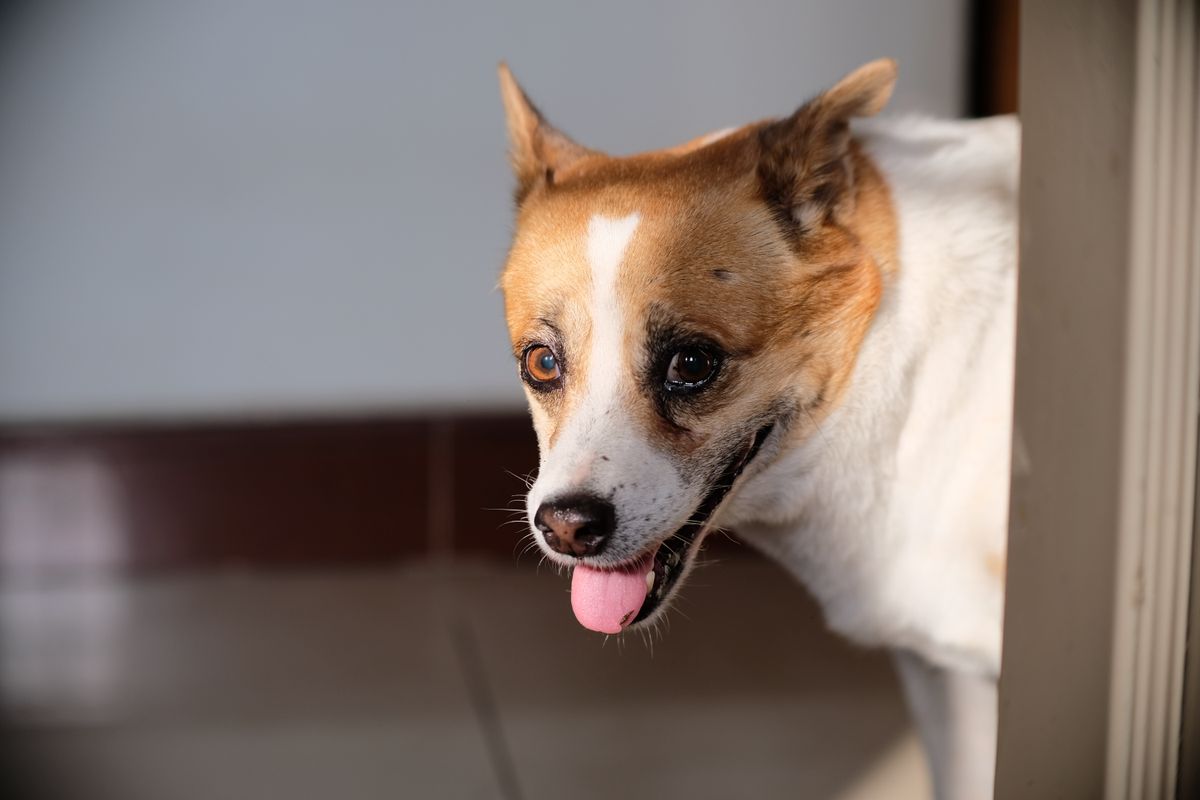
One customer detail is especially useful for checking adhesion and size compatibility. Aileen B. wrote that her dog changed position several times overnight while the adhesive continued to hold, and her routine paired a medium liner with a medium washable diaper. Placement still needs to be tested separately against the individual dog's release zone.
How do movement and sleeping position create gaps?
Movement creates temporary channels at the edges even when the diaper returns to a normal-looking position by morning. A dog sleeping tightly curled may compress one side, while a long stretch can pull the absorbent area away from the body.
Watch the first ten minutes after bedtime. If the diaper twists when your dog circles or steps onto the bed, correct the shell fit before adjusting the liner. If the liner wrinkles inside an otherwise stable diaper, flatten the liner and confirm that its edges do not bunch against a seam or tail opening.
This is why a smaller, tighter diaper is not a universal answer. Overtightening can reduce comfort and still leave the absorbent zone in the wrong place. The useful fit is secure enough to stay aligned and comfortable enough for normal sleeping positions.
When is the problem capacity rather than fit?
Capacity becomes the stronger suspect when the liner is evenly saturated and the same setup stays aligned on drier nights. A longer sleep interval, a later drink, a medication change, or simply a larger release can exceed what yesterday's timing handled.
Jason, a verified reviewer, described a senior dog who sometimes emptied a full bladder while sleeping on the couch or bed. He also noted that a small amount could reach the washable belly band during a very large event. That is an honest boundary: an insert can reduce cleanup, but no disposable layer makes every volume predictable.
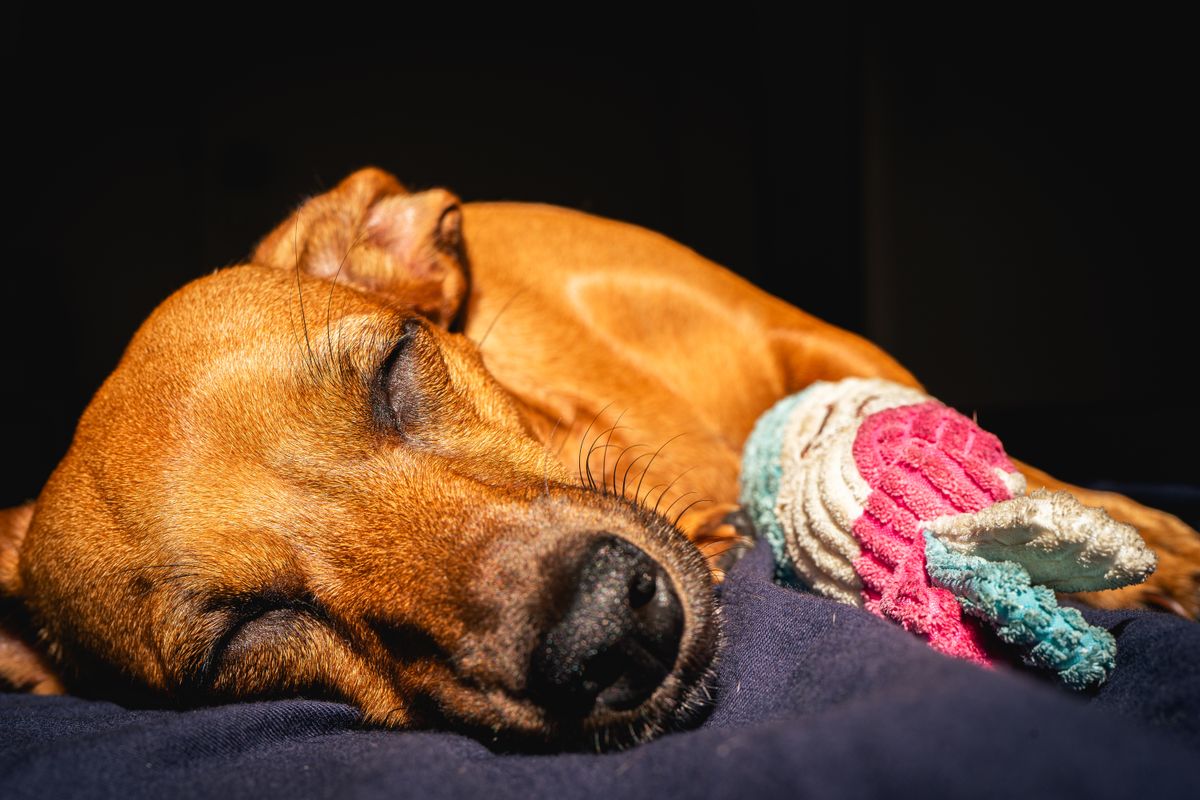
Keep a short log for three nights: bedtime, last outdoor break, liner change time, check time, wet-spot location, and whether the liner was partly or fully saturated. A pattern is more useful than guessing from one bad morning. You can pair this with our senior dog overnight check routine if you need a simple schedule.
How do PAWPANG dog diaper liners fit this overnight problem?
PAWPANG dog diaper liners fit this situation by adding a replaceable absorbent layer inside a washable or disposable diaper. They do not diagnose or resolve the reason for leakage. They give caregivers a way to change the wet inner layer while keeping a still-clean outer diaper in use.
Choose a liner that lies flat within the absorbent zone of the diaper, with no edge folded into a leg opening. PAWPANG's dog diaper liners come in multiple sizes, so consult the size chart and confirm coverage against your dog's release zone instead of relying on weight alone.
The overnight message is modest: keep the diaper system you already use, then make the wet layer easier to inspect and replace. That can reduce the chance that one accident automatically becomes a full load of laundry.
When should an overnight leak become a veterinary conversation?
An overnight leak should become a veterinary conversation when it is new, increasing, paired with straining, or accompanied by changes in thirst, urination, mobility, behavior, or skin condition. The diaper is management equipment, not an explanation for the change.
Merck advises that evaluation of urination disorders depends on history, physical examination, observation, and tests such as urinalysis when appropriate. Bring your three-night log and note whether leaks happen only during sleep, after normal urination, while walking, or throughout the day.
If the coat stays wet, the skin looks red, the urine smells unusually strong, your dog seems uncomfortable, or the pattern suddenly changes, do not solve the problem by adding more layers. Talk to your vet if this continues.
FAQ
Why is the diaper wet but the liner is partly dry?
That pattern often suggests that the liner shifted, wrinkled, or did not cover the release zone. Re-center it, secure it to a dry interior surface, and test the fit while your dog walks and lies down.
Should I tighten the diaper after every overnight leak?
No. First identify where the wetness escaped. More tension may not correct a placement or capacity problem and can make resting less comfortable.
Can I add a liner to a washable dog diaper?
Yes, if the liner fits flat inside the garment and does not block closures or bunch at the legs. PAWPANG is designed as a peel-and-stick insert for an existing diaper, not as a stand-alone pee pad.
What information should I give my veterinarian?
Record when the leak happened, whether your dog was asleep, the apparent amount, any change in thirst or bathroom habits, and whether there was straining, dribbling, odor, blood, redness, or discomfort.