

Should you wake a senior dog to change a diaper overnight?

No, you do not need to wake every senior dog for every overnight diaper change. You need a planned check, then a change when the diaper is wet, shifted, soiled, or likely to remain damp for hours; your dog's sleep, skin, and known accident pattern should shape the timing.
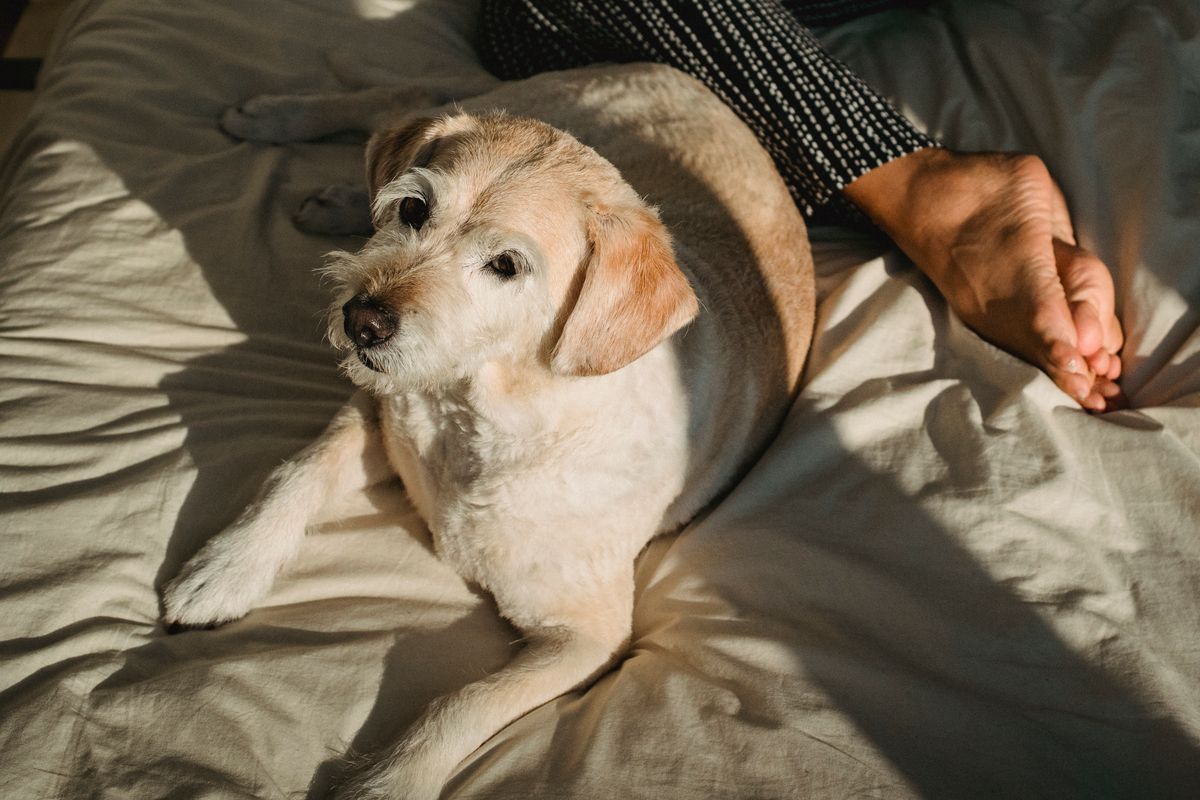
That answer is less dramatic than an alarm every two hours, and that is the point. A workable routine protects the dog without turning every night into a watch shift. Start with one quiet check at a time when accidents usually occur, observe what you find, and adjust from evidence.
Cornell's Riney Canine Health Center advises frequent diaper changes and cleaning as needed so hair does not remain wet. Build the timing around what you actually observe in your dog's overnight routine rather than follow one universal clock.
Do all senior dogs need a middle-of-the-night diaper change?
No, the need depends on whether the diaper becomes wet and how long it would stay that way. A dog who stays dry until dawn has a different routine from a dog who predictably leaks at 3 a.m.
Begin with three observation nights. Check once before you go to sleep, once near the usual accident window, and again in the morning. Do not wake the dog fully just to collect data if you can inspect the diaper edge and bedding quietly. Write down whether the liner is dry, partly wet, saturated, shifted, or soiled.
The purpose is to find the lightest routine that keeps your dog reasonably clean and comfortable. It is not to force uninterrupted dryness regardless of sleep cost, and it is not to leave a known wet diaper in place until morning.
How can you check a diaper without fully waking your dog?
Use low light, a familiar voice, and slow contact so the check feels like normal handling. Approach from where your dog can see or sense you, especially if hearing or vision has changed.
Approach in the familiar way your dog already responds to, then lift only the outer edge needed to feel or see the wetness indicator area. If the diaper is dry and aligned, stop there. If it is wet, prepare the replacement before moving your dog so the interruption stays brief.
Keep supplies within reach but away from chewing or curious pets. A waterproof mat, clean diaper, attached liner, wipes approved for your dog, towel, disposal bag, and small night-light can turn a disruptive ten-minute search into a calm two-minute change.
What signs mean the diaper should be changed now?
Change the diaper now when it is wet, soiled, bunched, twisted, leaking, or rubbing. Also change it when the liner is saturated even if the outer shell has not leaked yet.
| Check result | Change now? | Why |
|---|---|---|
| Dry, flat, and comfortably aligned | Usually no | An unnecessary change may disturb sleep without improving hygiene |
| Partly wet | Yes | The dog would otherwise remain against moisture |
| Saturated or leaking | Yes | The absorbent layer has reached its practical limit |
| Dry but twisted at a leg or tail opening | Refit or change | Misalignment can create pressure and a future leak path |
| Stool present | Yes, promptly | The dog needs cleaning and a fresh setup |
| Redness, odor, pain, straining, or blood | Change and contact a vet | The diaper routine does not explain or evaluate these signs |
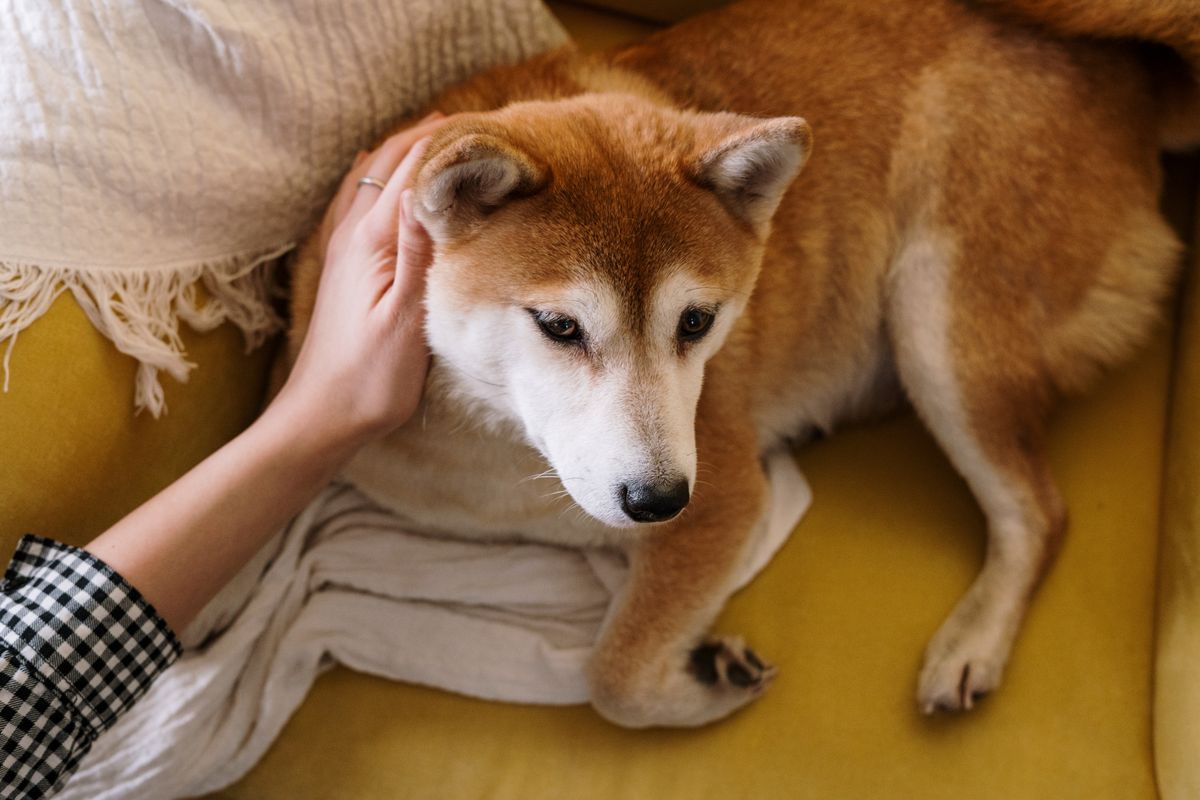
Urinary incontinence is involuntary urine leakage, not a behavioral choice. The Merck Veterinary Manual says an incontinent dog may leave urine where it was lying. That observation supports checking the bedding and diaper promptly, but it does not prescribe an identical alarm schedule for every household.
Is it better to change by the clock or by your dog's pattern?
Your dog's pattern is the better starting point, with the clock used as a reminder. A fixed check at the wrong time can wake the dog while still missing the actual wet interval.
Suppose the morning liner is dry for four nights, then wet after a later-than-usual bedtime drink. That pattern does not justify waking the dog nightly at midnight. It suggests checking the variables around the wet night. By contrast, if the liner is wet at 3 a.m. on three consecutive nights, a scheduled change shortly before that time may be reasonable.
Use this simple sequence:
1. Fresh diaper and liner after the last outdoor break.
1. One quiet check near the suspected accident window.
1. Immediate change if wet or soiled.
1. Morning note about wetness, position, and skin.
1. Shift the check earlier or later after three nights of evidence.
This is a management routine, not a medical plan. A new or changing urinary pattern belongs in a veterinary conversation.
How can a liner make the overnight change shorter?
A liner can make the change shorter when the outer diaper is still clean and properly aligned. A dog diaper liner is an absorbent pad that attaches inside a diaper and can be swapped separately. PAWPANG uses a peel-and-stick backing so the liner can be secured before bedtime rather than placed loose inside the shell.
Pre-assemble one clean backup. Remove the wet liner, inspect the diaper shell, and replace only what needs replacing. If the shell is damp, dirty, or misshapen, change the whole setup instead of treating the liner as a reason to keep using it.
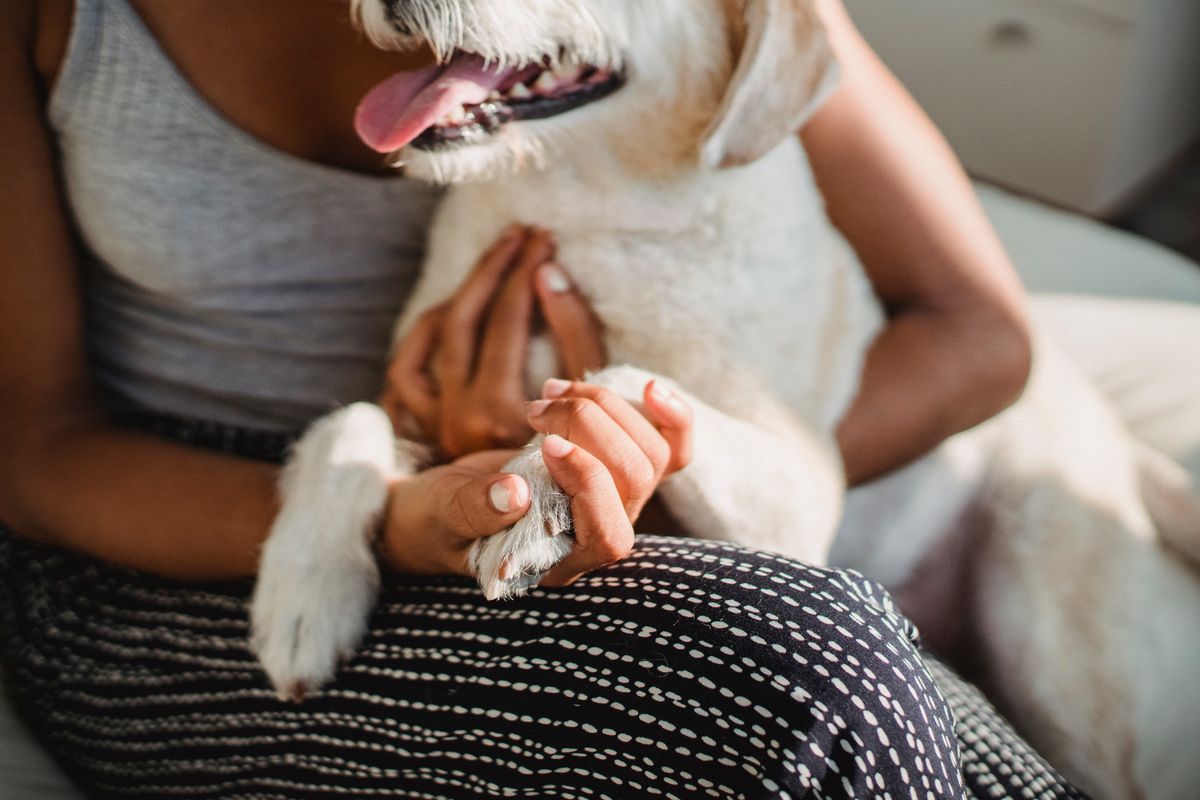
Aileen B., a verified customer, described nighttime accidents that had created constant bedding and diaper laundry. She reported that a secured liner let her remove and discard the wet inner layer in the morning while the washable diaper remained dry. Her account is one household's experience, not a guarantee, but it illustrates why a replaceable layer can simplify a known routine.
How do PAWPANG liners fit a gentle night-care routine?
PAWPANG liners fit a gentle routine by separating the wet inner layer from the reusable outer diaper when the shell remains clean. They do not remove the need to check, clean, or replace the full diaper when necessary.
Attach the liner to a dry diaper interior, confirm that it lies flat, and keep a prepared replacement nearby. PAWPANG's dog diaper liners are available in multiple sizes, so match the usable absorbent area to the diaper rather than relying only on the dog's weight label.
If you are building the routine from scratch, our guide to setting up a bed for senior dog night accidents can help you separate sleep comfort, bedding protection, and diaper management into distinct layers.
When should you stop experimenting and call the vet?
Call the vet when leakage is new, rapidly increasing, accompanied by straining, blood, unusual odor, discomfort, excessive thirst, weakness, or a major change in sleep or bathroom habits. A nighttime schedule should never delay evaluation of a changed health pattern.
Bring a brief log: dry or wet times, approximate amount, sleep position, outdoor breaks, water pattern, medications, and any skin changes. Those observations are more useful than saying the diaper “sometimes leaks.” If your dog is difficult to wake, newly restless, or distressed during handling, include that too.
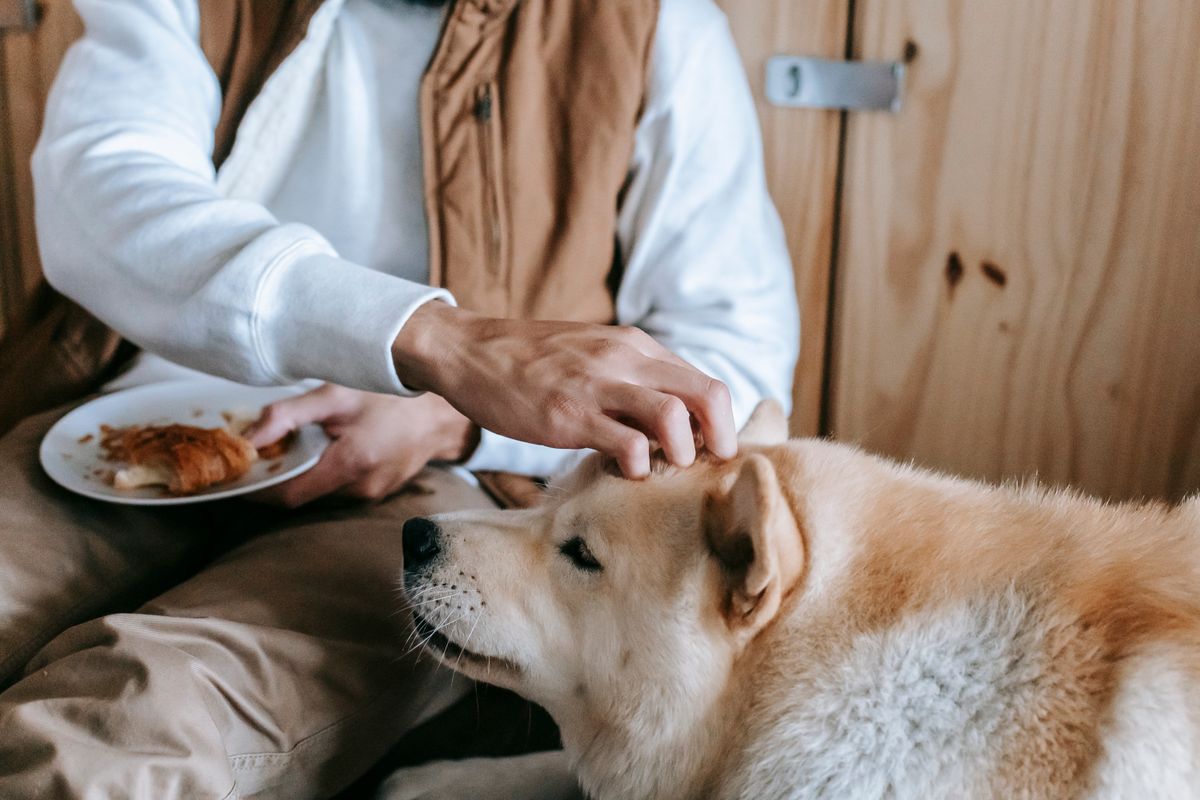
The routine should become simpler as the pattern becomes clearer. Check quietly, change what is wet, let the dog return to rest, and talk to your vet if this continues.
FAQ
Should I set an alarm every two hours for my senior dog?
No. Start with one check near the known accident window and adjust from several nights of observations. A veterinarian may recommend something different for your dog's specific condition.
Can I leave a slightly wet diaper on until morning?
No. If you know the diaper is wet, change it and clean the dog as needed rather than leaving moisture in place for hours.
Will a dog diaper liner mean I never change the outer diaper?
No. PAWPANG liners can be changed separately only when the outer diaper remains clean, dry, aligned, and comfortable. Replace the whole setup when the shell is damp, dirty, damaged, or twisted.
What if my dog becomes anxious during night changes?
Keep the sequence predictable, use low light and slow handling, and prepare supplies first. Ask your veterinarian about safe handling if anxiety is new, severe, or paired with pain.