

Can a dog wear a diaper after spay surgery without covering the incision?

A dog may wear a diaper after spay surgery only if the garment stays completely clear of the incision and your veterinarian agrees with the setup. A diaper is a hygiene tool, not an incision cover, and it should come off if its edge rubs the surgical area or traps moisture near it.
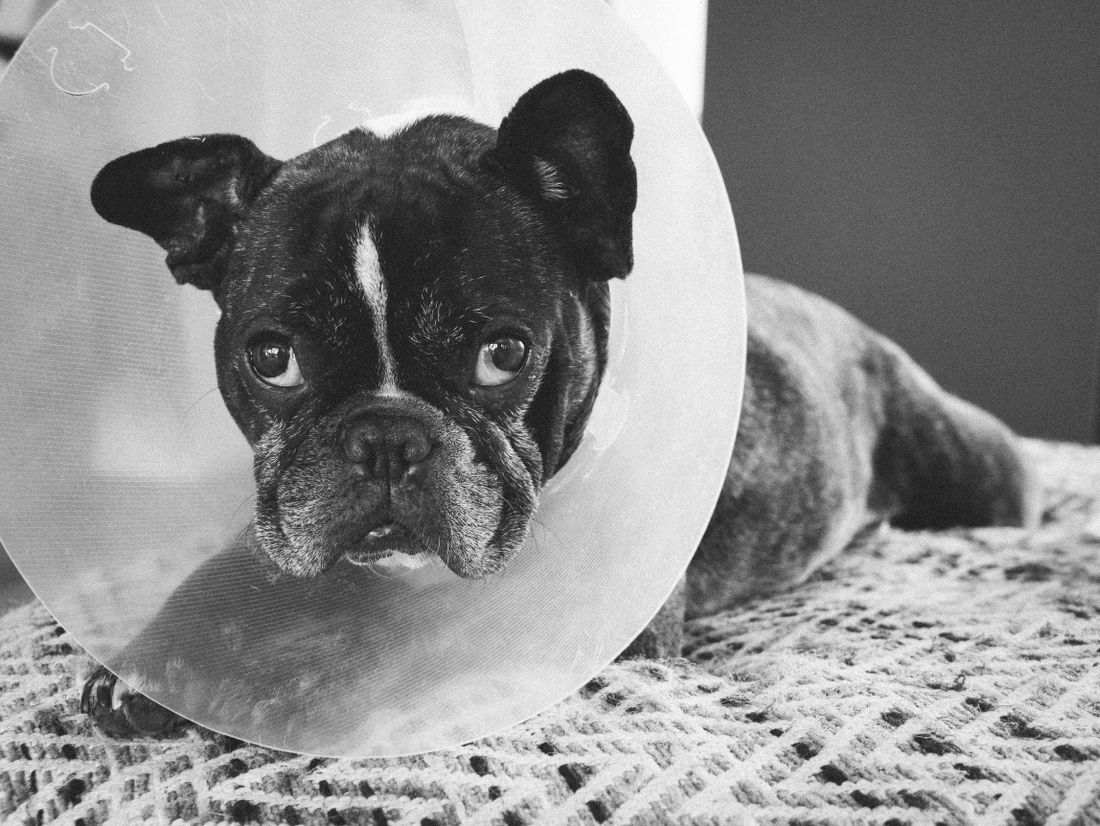
The common myth is that any soft garment is automatically safe after surgery. Fit and placement matter more than softness. The practical question is not simply, “Can my dog wear this?” It is, “Can my dog wear this without the waistband, fastener, wet material, or removal motion disturbing the incision?”
Does a dog diaper protect a spay incision?
No, a dog diaper should not be treated as protection for a spay incision. The incision needs the care plan your clinic provided, while the diaper’s job is limited to catching urine or discharge away from that site.
VCA Animal Hospitals’ incision-care guidance says an incision should not be allowed to get wet and should be inspected at least twice daily when it is not bandaged. It also notes that the right anti-lick option depends on incision location and should be chosen with veterinary guidance. That makes a clear boundary useful: a diaper can support housekeeping, but it cannot replace a cone, recovery suit, bandage, or other protection prescribed by the veterinarian.
That boundary also clarifies where a liner belongs. A dog diaper liner is an absorbent pad that attaches inside a diaper and is swapped out instead of changing the whole diaper; PAWPANG liners use a peel-and-stick backing for that purpose. The liner still belongs inside the hygiene garment, never across the incision.
Where is the spay incision compared with a dog diaper?
The spay incision is usually on the midline of the lower abdomen, while a diaper sits around the waist and hindquarters. Those areas can be close enough that a waistband or full-coverage panel may overlap the incision on some dogs.
Body shape, diaper rise, swelling, and the exact surgical approach all change the answer. Put the clean, dry diaper on without tightening it, then look from the side and underneath. You should be able to see that every edge remains away from the incision while your dog lies down, stands, and takes a few careful steps.
If checking requires lifting, twisting, or rolling a dog who is uncomfortable, stop and ask the clinic to demonstrate a safer method. Post-operative instructions are individual; the garment should adapt to that plan, not the other way around.
What fit checks matter before using a diaper after surgery?
The useful fit checks are incision clearance, dry contact, stable placement, and low-friction removal. Test all four while the diaper is dry, because a product that shifts when dry may shift more once it carries moisture.
| Fit check | What you want to see | Stop using it when |
|---|---|---|
| Incision clearance | No edge or panel touches the surgical line | Fabric overlaps or hides the incision |
| Waist pressure | Secure without digging into the abdomen | The waistband leaves a deep mark or causes guarding |
| Moisture control | Wet material stays away from the belly incision | Dampness reaches the surgical area |
| Movement | The diaper stays put during careful position changes | It slides forward when the dog lies down |
| Removal | Tabs release without pulling the abdomen | Changing it requires twisting or dragging the garment |
Write down what passed and what did not. A quick note such as “clear while standing, touches while curled” is more useful than assuming one successful fitting covers every sleeping position.
Can moisture from a diaper reach the incision?
Yes, moisture can travel through wet material or along fur, so a saturated diaper should never remain close to a fresh incision. Check sooner than your usual routine until you know how quickly the garment becomes wet.
This does not mean a diaper causes an incision problem by itself. It means a wet garment creates a condition that conflicts with the goal of keeping the surgical site clean and dry. Remove the diaper for incision checks, use a fresh garment, and follow the clinic’s instructions about cleaning. Do not apply creams, disinfectants, or powders near the incision unless the veterinarian specifically told you to do so.
The PAWPANG dog-care blog has more hygiene-routine guides, but your discharge sheet remains the first authority during recovery.
How can PAWPANG liners fit a post-spay hygiene routine?
PAWPANG liners may make sense when a veterinarian has approved diaper use and the liner lets you refresh the absorbent layer without disturbing a well-fitted outer diaper. The useful feature is the peel-and-stick attachment inside the diaper, which helps the insert stay where you placed it.
The liner is not a surgical dressing, nor can it substitute for changing a soiled diaper. Use it only when the liner and outer garment remain below and behind the incision. If the diaper must be pulled forward to hold the insert securely, the setup is not suitable for that dog’s current recovery stage.
For owners who already have a compatible outer diaper, dog diaper liners can reduce how often the whole cover needs to be swapped. Keep the choice secondary to incision clearance and veterinary instructions.
When should the diaper come off immediately?
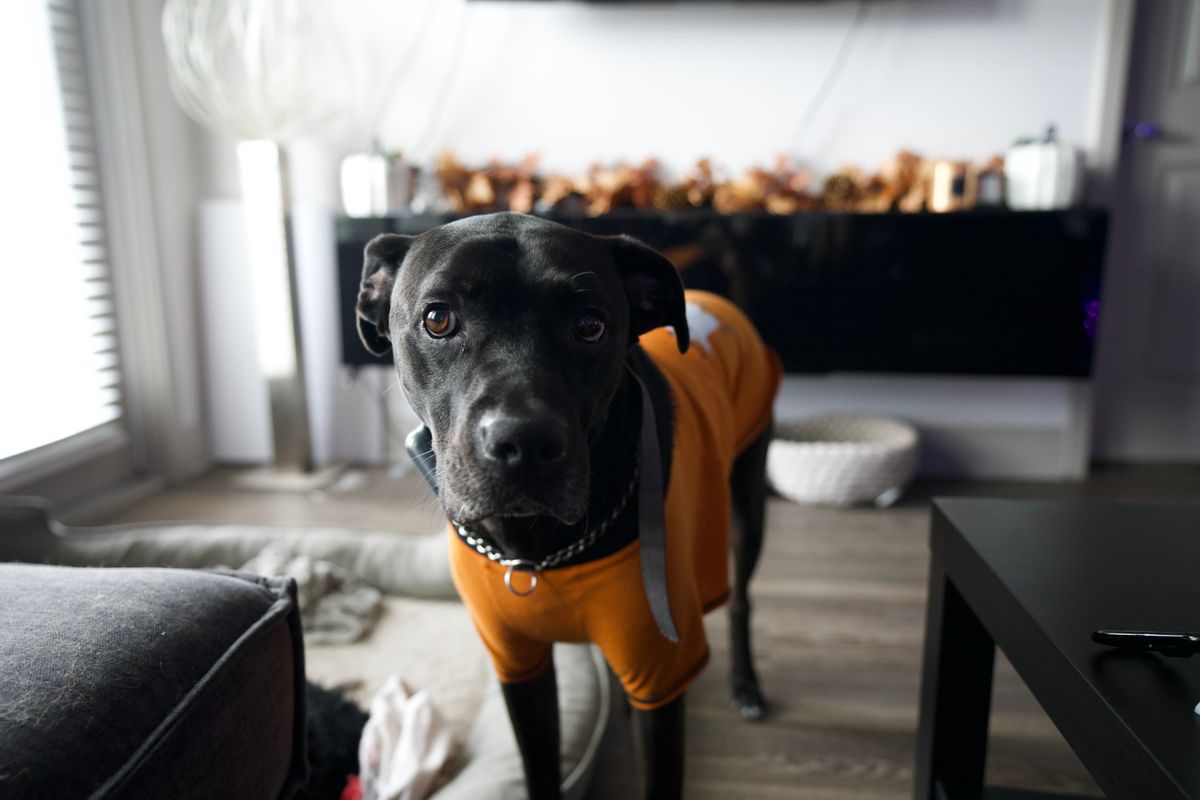
The diaper should come off immediately if it covers the incision, becomes wet near the abdomen, slides forward, causes rubbing, or makes your dog resist position changes. Remove it gently and inspect the surgical area without adding any product the clinic did not authorize.
VCA advises contacting a veterinarian for continuous fluid seepage, swelling, excessive redness, foul odor, discharge, or removed sutures. Those are not diaper-fit problems to troubleshoot at home. They are reasons to call the clinic.
Also call if your dog suddenly cannot stand as expected, seems much more uncomfortable, or the discharge instructions no longer match what you are seeing. A photograph or short video may help the veterinary team understand how the garment sits, but it does not replace an examination when the clinic recommends one.
Is a recovery suit safer than a diaper after spaying?
A recovery suit and a diaper do different jobs, so one is not universally safer than the other. A recovery suit may cover the incision to deter licking when a veterinarian approves it; a diaper manages urine or discharge around the hindquarters.
| Item | Primary purpose | Main question after spay surgery |
|---|---|---|
| Elizabethan collar | Limits licking or chewing | Can the dog reach the incision while wearing it? |
| Recovery suit | Covers the torso and incision area | Is it approved for this incision and kept clean and dry? |
| Dog diaper | Manages hindquarter messes | Does every edge stay clear of the incision? |
| Diaper liner | Adds a replaceable absorbent layer | Does it stay inside the diaper without changing the fit? |
Do not stack garments merely because each seems helpful alone. Extra layers can change pressure, heat, and access for inspection. Ask the veterinarian which single arrangement meets the medical need, then add hygiene support only if it does not interfere.
How often should you check the incision and diaper?
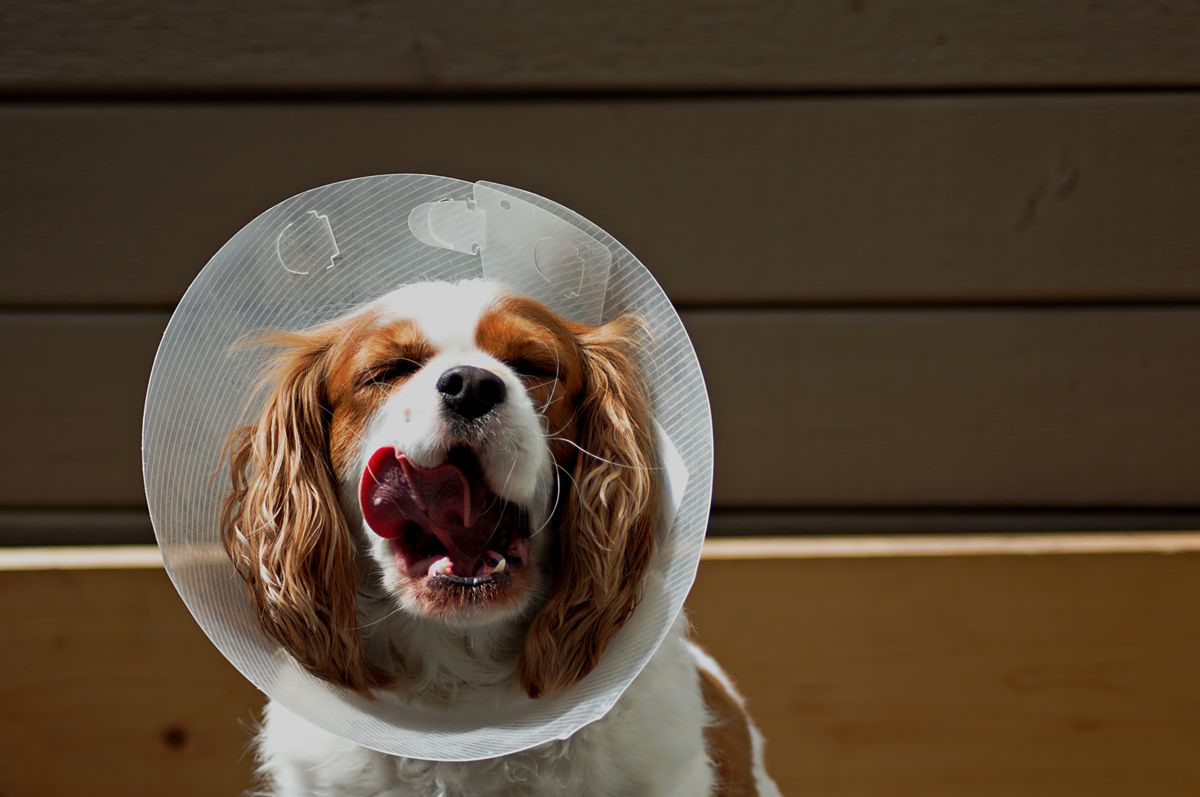
Check the incision at least as often as your veterinarian instructed, and check the diaper often enough that wet material never lingers near the surgical area. VCA’s general guidance says to inspect an unbandaged incision at least twice daily, but your clinic may ask for a different schedule.
Pair the tasks so neither gets forgotten: check the diaper, remove it gently, look at the incision, note any change, and refit only a clean, dry garment. During the first three days, caregivers often reach the second check and cannot remember whether the morning note belonged to today or yesterday; a phone note with the time of each check removes that guesswork when more than one person is helping.
FAQ
Can my dog sleep in a diaper after being spayed?
Only if your veterinarian approves it and the dry diaper stays completely clear of the incision in every sleeping position. Remove it if it slides forward or hides the site from checks.
Can a diaper replace a cone after spay surgery?
No. A diaper manages messes; a cone or veterinarian-approved recovery garment limits access to the incision. Use the protection your clinic prescribed.
Should I put a pad directly over the incision?
No. Do not place a dog diaper pad, liner, cream, or dressing on the incision unless your veterinarian specifically instructs you to do so.
Can I use PAWPANG liners during recovery?
PAWPANG liners can be used as a replaceable absorbent insert only when the veterinarian approves diaper use and the complete setup remains away from the incision. They do not treat or protect the surgical site.
What should I do if the incision looks red or wet?
Remove the diaper and contact your veterinary clinic for guidance, especially if redness is increasing or you see swelling, odor, discharge, or ongoing seepage. Talk to your vet if this continues.