

Should you limit a senior dog's water to prevent nighttime accidents?

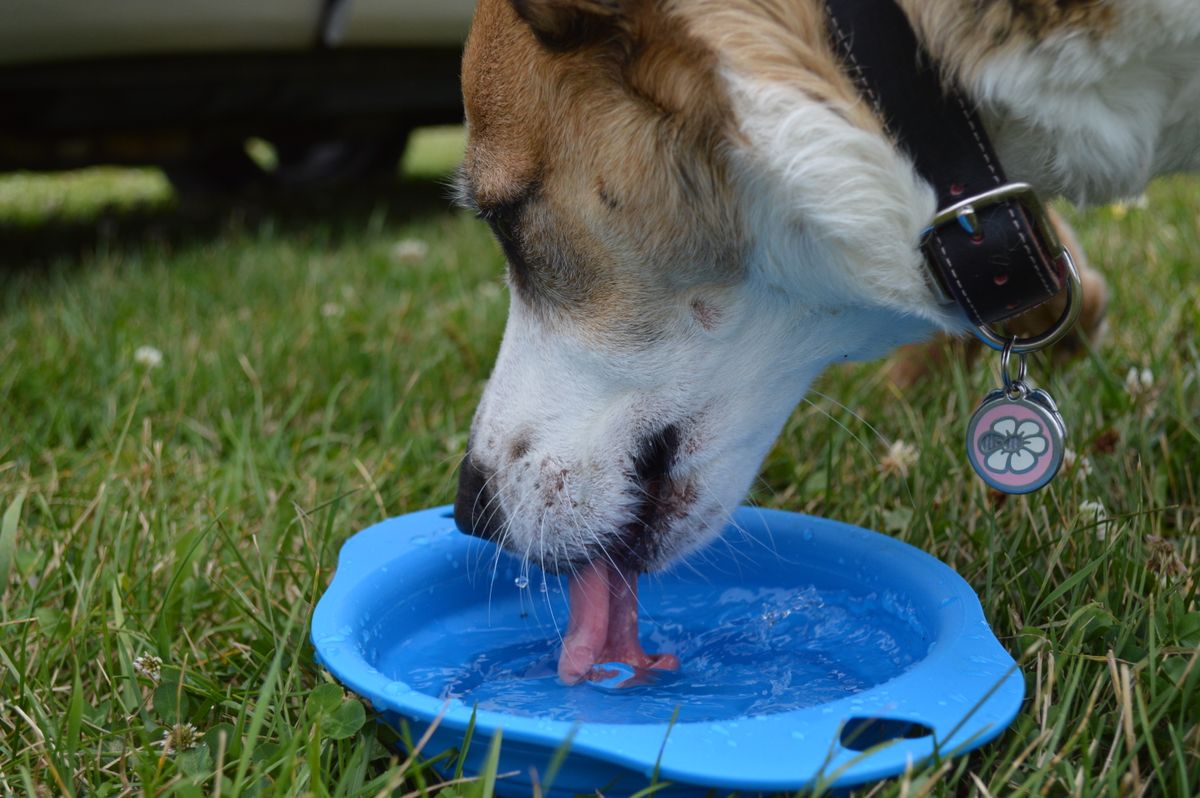
No, you should not limit a senior dog's water just to prevent nighttime accidents unless a veterinarian has given you a specific plan. A smaller water bowl may look like an easy fix, but new thirst, larger urine volumes, or a sudden change in nighttime control can be information your veterinarian needs, not a habit to suppress.
Keep fresh water available. Then make the final potty break, sleep route, and protection easier to manage, and write down what changes.
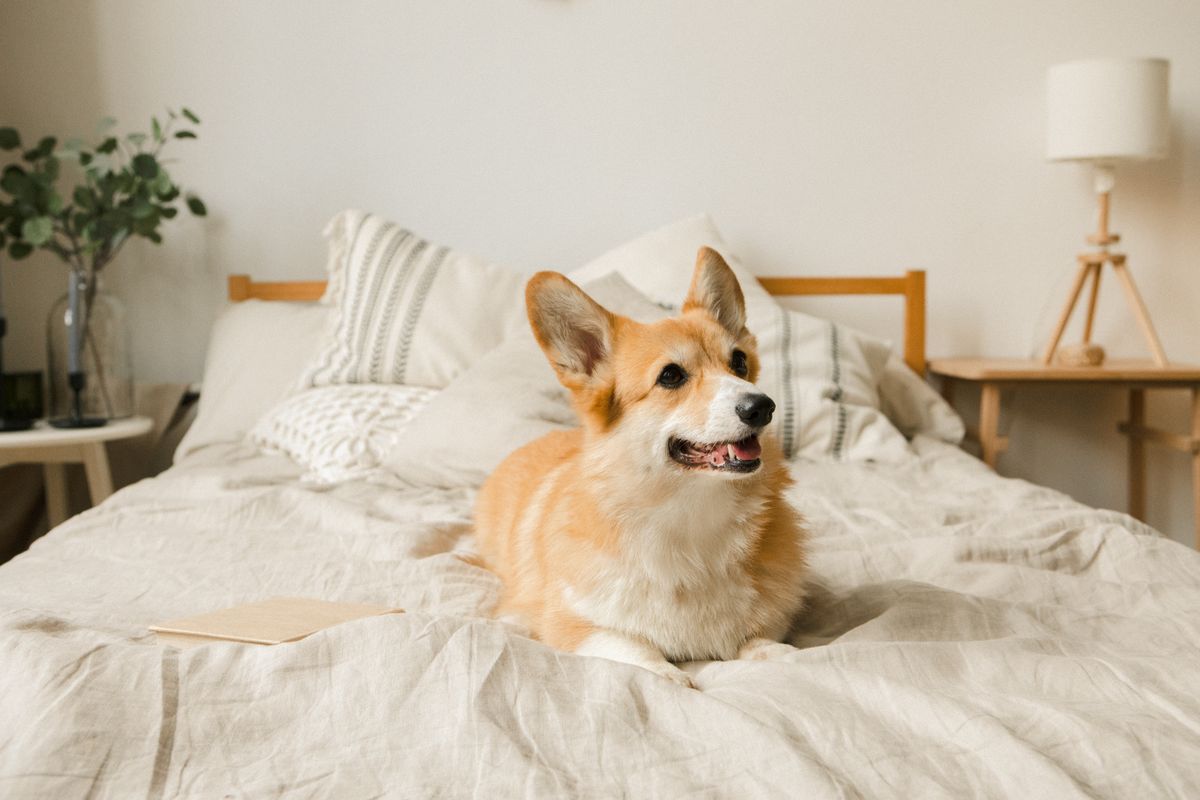
Why is taking away water before bed a risky shortcut?
Taking away water is risky because nighttime accidents do not prove that a senior dog drank too much. A dog may be producing more urine, having trouble reaching the door, sleeping more deeply, leaking while relaxed, or following a medication schedule that changes thirst and urination.
The American Kennel Club's veterinary-reviewed overview says increased urination often causes a dog to drink more to replace lost fluid. It also warns pet parents to never restrict water without veterinary guidance because dehydration and electrolyte problems can follow.
That distinction matters at 2 a.m. If the bowl is empty but the underlying reason for fluid loss continues, the bed may be dry for one night while the dog is less comfortable and the useful clue is harder to see. A dry sheet is not the same thing as a solved problem.
Does drinking at night cause the accident?
Drinking at night can contribute to how full the bladder becomes, but it does not tell you why the accident happened. Timing is one piece of the pattern, alongside total daily drinking, urine volume, mobility, sleep, medication, and whether the accident is a full void or a small leak.
VCA Animal Hospitals explains that increased thirst and urination can appear together in two directions: a pet may lose more dilute urine and drink to replace it, or may drink more first and then pass more urine. Its guide to testing increased thirst and urination recommends a history, physical examination, and commonly blood and urine screening rather than guessing from one symptom.
Think of the water bowl as a measuring point, not the culprit. If your dog suddenly empties it, refills become more frequent, or nighttime accidents start after months of stability, record those changes and call your veterinary clinic.
What should a safer bedtime routine look like?
A safer bedtime routine keeps water available and moves the controllable parts of care closer to sleep. The routine should be simple enough to repeat when you are tired, because consistency is more useful than a complicated plan that lasts two nights.
| Bedtime step | What to do | What it tells you |
|---|---|---|
| Water | Leave fresh water in the usual accessible place | Whether thirst is changing from the dog's normal pattern |
| Final potty break | Offer a calm trip outside immediately before bed | Whether timing reduces a full-bladder accident |
| Sleep route | Clear rugs, cords, and slippery obstacles | Whether easier access helps a dog with slower mobility |
| Protection | Use washable bedding, a waterproof layer, or a correctly fitted diaper | Whether the main need is containment while you investigate |
| Morning check | Note wetness, urine amount, skin condition, and time | Whether the pattern is improving, stable, or changing |
Keep the final outing calm and unhurried. Some senior dogs need extra time to stand, walk, sniff, and urinate fully. Rushing them back inside can turn a mobility problem into what looks like a bladder problem.

How can you tell a routine issue from a health change?
You cannot diagnose the cause at home, but you can collect a clearer pattern for your veterinarian. A routine issue tends to change when timing or access changes; a health change may continue despite a careful final potty break and a clear path outside.
For three to seven days, note the time of the last drink you happen to observe without policing the bowl, the final potty break, any accident, the approximate wetness, and new behavior. Also record medication times and whether the dog asks to go out more often during the day.
Call sooner rather than waiting for a log if you see a sudden major increase in drinking, repeated straining, blood in the urine, vomiting, marked weakness, pain, confusion, or an inability to urinate. The log supports veterinary care; it does not replace it.
Should you measure how much water your senior dog drinks?
Measuring can help when your veterinarian asks for it, but it should not become a reason to ration water. Use the same bowl, measure what you add over 24 hours, account for water shared with other pets, and note spills or unusually wet food.
VCA specifically notes that a 24-hour drinking measurement can help a veterinarian judge how significant a change may be. One day is only a snapshot, so compare it with your dog's familiar baseline and follow the clinic's instructions about how many days to track.
Do not perform a home water-deprivation test. That is a controlled diagnostic procedure for selected cases, not a bedtime experiment. If your veterinarian wants drinking measured, ask exactly what to record and whether food, weather, or medication changes should be noted too.
Where do dog diapers and liners fit into the plan?
Dog diapers and liners fit as management tools, not as a reason to ignore thirst or urinary changes. A dog diaper liner is an absorbent pad that attaches inside a diaper and can be swapped after wetting instead of replacing the whole reusable diaper.
PAWPANG dog diaper liners use an adhesive backing to stay inside a compatible washable diaper or belly band. For nighttime care, choose the liner size that matches the diaper closely, smooth it flat, and check the fit around the waist and legs before your dog settles down.
Containment still needs checks. A very wet liner, bunching, skin redness, or damp fur means the setup or change timing needs attention. One owner described using a medium liner in a medium washable diaper for a senior dog after nighttime accidents began while the dog was taking veterinarian-prescribed medication. It is a care example, not a promise about every dog or medication schedule.
If you are comparing overnight options, read our guide to whether to wake a senior dog for a diaper change. You can also see the current sizes of PAWPANG dog diaper liners on Amazon.
What if your senior dog asks for water right after the last potty break?
Let your dog drink, then decide whether another brief potty opportunity is practical. The goal is not to make drinking inconvenient; it is to respond to the sequence you actually observe.
If that pattern repeats, write it down. A dog who drinks heavily every night after the final outing may need a different walk schedule, a medication review, or a veterinary workup. Moving the final potty break slightly later can be a reasonable management test, but removing the bowl is not a substitute for finding out why the pattern changed.
Make access easy for a senior dog. Place the bowl where the dog does not have to cross a slick floor or navigate stairs, and keep the route to the exit equally simple. Small environmental changes can reveal whether mobility was part of the accident pattern.
After a nighttime accident
After an accident, clean and dry your dog gently, replace wet bedding or the liner, and write down the time and what you noticed. Do not scold. A senior dog's nighttime accident is a care signal, not a discipline problem.
Check the skin where urine sat against the coat, but do not apply a new cream or human product unless your veterinarian says it is appropriate. If the dog is comfortable, reset the bed with a dry layer and return to the normal water setup.
Tomorrow, compare the event with the last few nights. Was the final potty break earlier? Did the dog drink more throughout the day? Was a medication given at a different time? Did the liner shift? One useful change at a time gives you clearer information than changing the bowl, bedding, diaper, and schedule all at once.

When a nighttime accident needs a vet call
Nighttime accidents should lead to a vet call when they are new, becoming more frequent, or paired with a clear change in thirst, urine volume, appetite, energy, weight, gait, or behavior. Senior status does not explain the cause by itself.
Bring the short log, medication list, and any estimate of 24-hour water intake the clinic requested. Mention whether the bedding shows a large single wet area, repeated small spots, or leaking during sleep. Those details help the veterinary team choose the next questions and tests.
While you wait for the appointment, keep fresh water available, maintain a calm final potty break, and use protection that keeps your dog dry enough to rest. PAWPANG can support the containment part of that routine, but the product does not diagnose or correct the reason the accident started.
FAQ
Can I pick up my senior dog's water bowl two hours before bed?
Do not make that change solely to stop accidents unless your veterinarian has told you to do it. Keep water available and adjust the final potty break, sleep access, and containment first.
What if my dog drinks a lot because of medication?
Ask the prescribing veterinarian whether the thirst and urination pattern is expected and whether dose timing affects the nighttime routine. Do not change the medication or restrict water on your own.
Will a dog diaper solve nighttime incontinence?
No. A diaper manages wetness and protects bedding, but it does not explain the cause. PAWPANG liners can make a reusable-diaper routine easier to reset after wetting while you work with your veterinarian on the underlying change.
How often should I check a dog diaper overnight?
There is no single interval for every dog. Base checks on how quickly the liner becomes wet, your dog's skin and comfort, medication effects, and the plan you discussed with your veterinarian.
Is nighttime incontinence normal in an older dog?
Age can change mobility, sleep, and bladder control, but a new accident pattern still deserves attention. Track the change and talk to your vet if it continues.
The practical rule is simple: manage the mess without managing away the evidence. Keep water accessible, make bedtime easier, record the pattern, and talk to your vet if this continues.
Where to buy PAWPANG Dog Diaper Liners
Available in five sizes, X-Small to X-Large, in a Standard Pack or a Trial Pack.