

Is senior dog incontinence just old age?

No, urinary leakage in a senior dog should not automatically be treated as a normal part of aging. Aging can make urinary problems more common or more noticeable, but new, repeated, or worsening accidents deserve observation and a veterinarian conversation. Diapers and liners can help manage moisture at home, but they do not explain the cause.
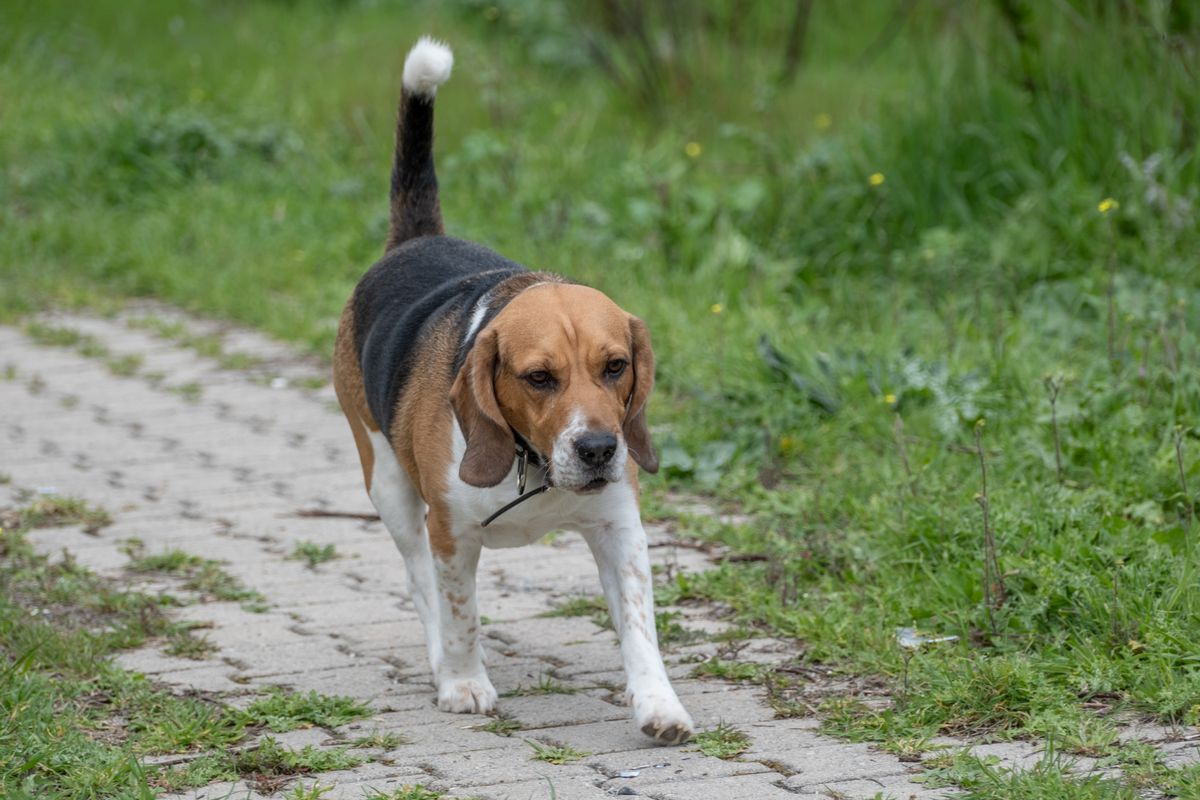
Is urinary incontinence normal in older dogs?
No. It may be common enough that many owners run into it, but common is not the same as normal. Age is context, not a diagnosis.
| Myth | Better framework |
|---|---|
| My dog is old, so accidents are normal | Age should prompt closer observation, not automatic dismissal |
| A diaper solves the problem | A diaper manages moisture while the underlying pattern is still monitored |
| A dry bed means everything worked | Check the dog, liner, diaper shell, and bedding separately |
| If my dog seems normal, no tracking is needed | Small notes can reveal a pattern if accidents repeat |
A clean bed is not the same as a dry dog. Use age as a reason to observe more carefully, not as a reason to stop asking questions.
Merck Veterinary Manual defines urinary incontinence as loss of voluntary control with constant or intermittent unconscious urine passage. It also notes that dogs may leave urine where they were lying or dribble while walking. That wording matters because urinary incontinence is different from behavioral urination, house-training trouble, or marking. A dog diaper is a garment that contains urine near the body; a belly band wraps around a male dog's waist; a washable diaper is the reusable shell; a dog diaper liner is the removable absorbent layer inside that shell; a pee pad or bedding protector catches leaks after they have already reached the sleeping surface. For a broader starting point, see PAWPANG's senior dog diaper guide, which explains how owners usually begin choosing a diaper setup.
A dog diaper liner is an absorbent pad that attaches inside a diaper or belly band and is changed separately from the whole garment; PAWPANG dog diaper liners belong in that management category, not in the diagnosis category.
Why do people assume senior dog leaks are just age?
People assume it because the timing feels persuasive. The dog is older, the first wet bed appears, and the simplest explanation is age.
The risk is that the explanation ends the investigation too early. Older dogs can also have medication changes, mobility limits, increased thirst, urinary tract problems, hormonal changes, or sleep changes. You do not have to identify the cause at home. You only have to avoid turning age into a reason to stop observing. A diaper manages moisture. It does not explain the cause.
What signs suggest it is more than a cleanup issue?
New leaking, sudden worsening, pain, blood, repeated straining, unusually strong-smelling urine, notable thirst, behavior changes, or significant skin irritation should move the issue from cleanup to veterinary conversation. Home products can manage mess, but they cannot tell you why the leak started. Do not wait a fixed number of days when those signs are present.
The AAHA Senior Care Guidelines emphasize that old age itself is not a disease and that senior care should include medical care, environmental management, and family support. That is the right balance for this topic. Protect the house tonight, but do not dismiss the body change.
Do diapers hide the problem?
Diapers can hide useful signs only if they replace observation. Use the diaper to manage moisture, but continue checking the dog.
This is the correction many families need. A diaper is not a permission slip to ignore wetness. It is a tool that keeps urine off furniture and bedding while you watch the pattern more calmly. Still check whether the dog is wet, whether the liner is saturated, whether the shell is wet, whether the bedding is wet, and whether urinary frequency or behavior has changed. The wrong routine is leaving a wet diaper in place because the bed looks clean.
Where does a liner fit if it is not a treatment?
A liner fits between the accident and the laundry pile. It is the removable wet layer inside the diaper, especially useful when the outer diaper is washable and still dry.
For product-fit, PAWPANG's dog diaper inserts use adhesive backing so the pad can stay centered inside a diaper, wrap, or belly band. That makes sense for night care because sleeping dogs shift position. It does not prevent disease, treat incontinence, or replace a vet exam.
Can wetness irritate a senior dog's skin?
Yes, prolonged urine or moisture contact can contribute to irritation, and wet fur should not simply be ignored. The safe claim is about contact time, cleaning, drying, and comfort, not a promise that one product prevents a condition.
Merck notes that the coat around the vulva or prepuce can become wet and that dermatitis can result from urine scalding. A 2026 PubMed-indexed report on urine scalding describes urine irritant contact dermatitis in dogs and cats as clinically recognized. For a home routine, that points to frequent checks, gentle cleaning, dry bedding, and a veterinary call when redness, damaged skin, discomfort, or persistent wet fur appears.
What should you track before calling the vet?
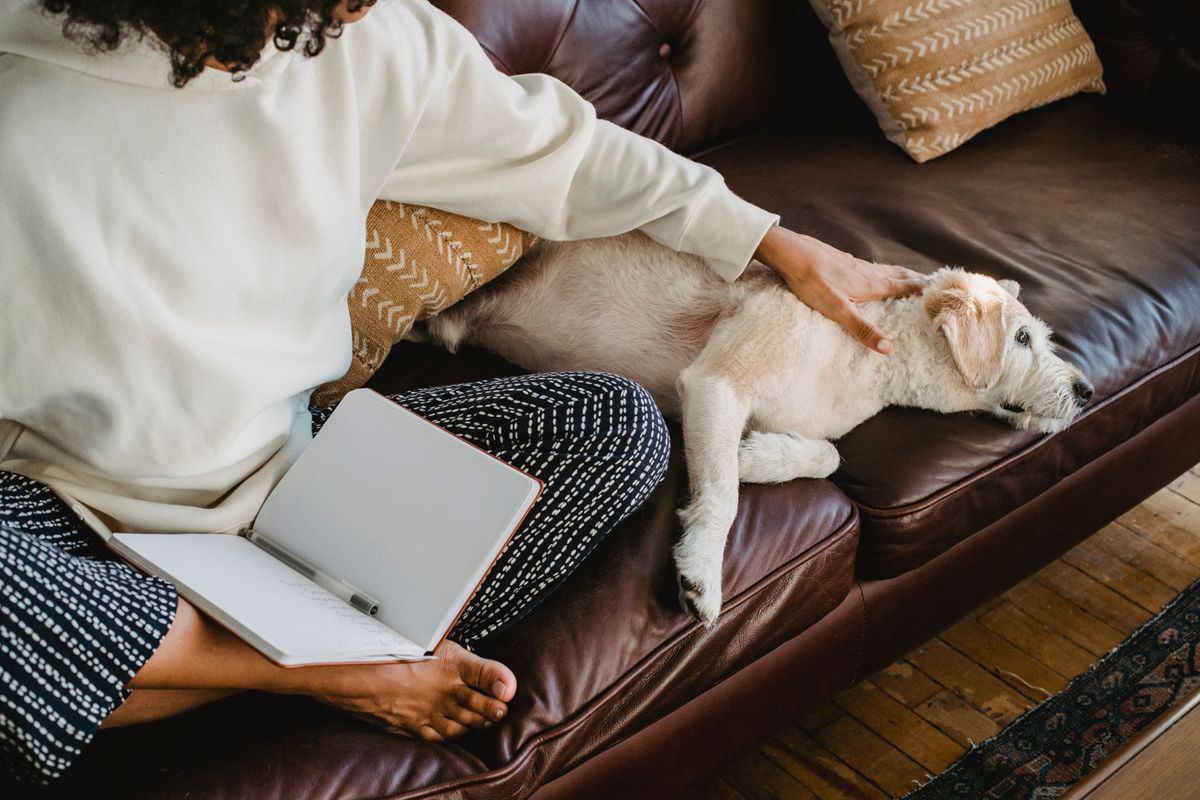
Track what changed, when it happens, and what else is different. A short log is better than a long memory test in the exam room.
Useful notes include wet mornings, dribbling while walking, accidents after naps, increased drinking, medication changes, appetite, stool changes, skin redness, odor, and whether the dog seems painful or confused. If you use diapers or liners, note whether the liner was full, whether the diaper shell stayed dry, and whether bedding was wet.
A simple log can be this plain:
| Field | Example entry |
|---|---|
| Date | Sept. 3 |
| Accident timing | Overnight, found at 6:30 a.m. |
| Liner | Dry, damp, or saturated |
| Diaper shell | Dry or wet |
| Bedding | Dry or wet |
| Dog or fur | Dry or damp |
| Other changes | Thirst, discomfort, odor, behavior, or none |
Why does the myth make nights harder?
The myth makes nights harder because it turns a management problem into resignation. If the accident is “just age,” the owner may stop looking for patterns and simply accept wet bedding as the new normal.
A better frame is kinder and more useful. Your dog is older, so the routine needs more structure. That structure can include a final potty break, a protected bed, a diaper fit check, a removable liner, and a written note for changes that repeat. None of those steps claims to fix the body. They make the night safer to manage while the real question stays open.
How should washable diapers fit into the plan?
Washable diapers fit well when they are treated as the holding garment, not as the only absorbent layer. If the diaper has to absorb every accident by itself, the morning routine often becomes washing the whole garment again and again.
That is why the liner system exists. It lets the wet layer be removed first, then the owner checks whether the reusable shell actually needs washing. If it is damp, wash it. If it is dry and clean, the routine has avoided one unnecessary load.
What should you do tonight if the bed is already wet?
Tonight, clean the dog, replace wet bedding, protect the mattress, and set up a simpler catch layer before sleep. Tomorrow, decide whether the pattern needs a vet appointment.
This is where PAWPANG can appear without taking over the article. If your dog already uses a diaper or belly band, a PAWPANG liner may make the wet part easier to remove in the morning. If your dog has never had accidents before, start the notes and contact your veterinarian instead of treating the purchase as the answer.
What should stay the same after you stop calling it just age?
The daily kindness should stay the same. Your dog still needs a comfortable bed, calm cleanup, regular outdoor breaks when possible, and a routine that does not turn every accident into a household crisis.
The difference is that you are no longer using age as the full explanation. You are using age as a reason to watch more carefully. That shift helps you keep the house clean without missing the story your dog's body may be telling.
How should you interpret what you see in the morning?
Interpret the morning as home-management evidence, not as a diagnosis. A dry bed is useful, but a dry bed alone does not prove the dog stayed dry.
| Morning finding | What it usually tells you at home |
|---|---|
| Wet liner, dry diaper shell, dry bedding | The containment system worked overnight |
| Wet liner and wet shell | Review absorbency capacity, placement, or change timing |
| Dry or partly dry liner with wet bedding | Review diaper fit, shifting, or where urine escaped |
| Dry bed but damp dog or fur | The bed alone is not enough evidence that the routine worked |
| Repeated or worsening urinary changes | Move from cleanup management to veterinary discussion |
What is the practical takeaway for a tired owner?
The practical takeaway is to make the next morning observable. Check the dog, check the liner, check the diaper shell, and then check the bed.
That order protects both comfort and evidence. It lets you keep using a home routine without letting the routine hide the signs that should be shared with a veterinarian.
FAQ
Is senior dog incontinence always a medical problem?
It is a sign that deserves attention, not a diagnosis you make at home. Your veterinarian can help sort out urinary, mobility, medication, or other causes.
Can I use PAWPANG liners while waiting for a vet visit?
Yes, if your dog already tolerates a diaper or belly band, PAWPANG liners can help manage moisture and cleanup while you wait. They do not diagnose, treat, or prevent the cause of leaking.
Should I stop using diapers because they might hide symptoms?
No. Use diapers as a management tool, but check them often and record what you see. The problem is not the diaper; the problem is using it instead of observing the dog.
What if my dog only leaks while sleeping?
Leaking that happens mainly during sleep is worth documenting because involuntary leakage can occur while dogs are resting. Record the pattern and discuss new or repeated leakage with your veterinarian.
What should make me call sooner?
Call sooner for new leakage, sudden worsening, pain, blood, repeated straining, unusually strong odor, notable thirst or behavior changes, or significant skin irritation.
```json
{"@context":"https://schema.org","@graph":[{"@type":"Article","headline":"Is senior dog incontinence just old age?","author":{"@type":"Person","name":"Theo Lee","url":"https://www.pawpang.com/pages/about-us"},"publisher":{"@type":"Organization","name":"PAWPANG","url":"https://www.pawpang.com"}},{"@type":"FAQPage","mainEntity":[]},{"@type":"Product","name":"PAWPANG Dog Diaper Liners"},{"@type":"Organization","name":"PAWPANG"},{"@type":"Person","name":"Theo Lee"}]}
```