

What does the first month of senior dog night accidents teach you?

The first month teaches one practical rule: catch urine close to the dog, not in the bed. Protect the mattress, keep the sleeping surface comfortable, and use a diaper or belly band with a removable liner when that fits your dog. If accidents are new, painful, bloody, unusually smelly, suddenly more frequent, or paired with increased thirst or behavior changes, make the pattern a veterinarian conversation, not just a laundry problem.
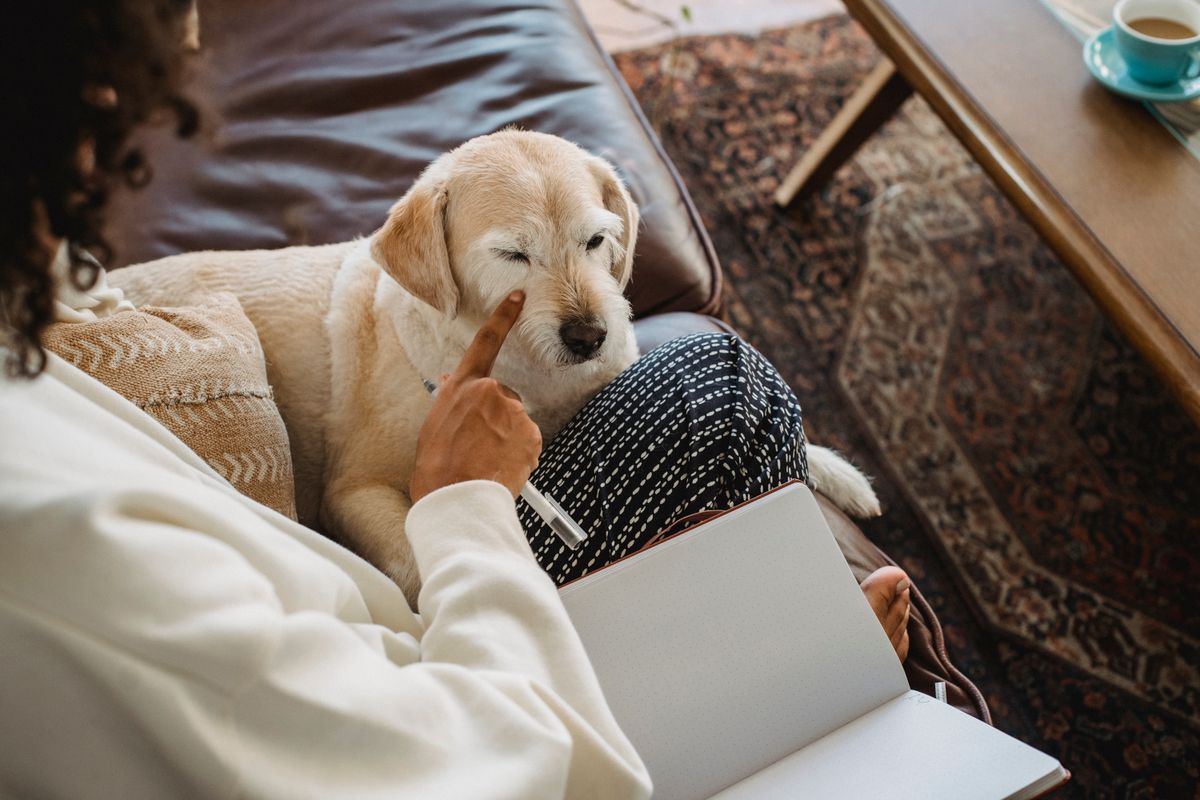
What is the 5-step overnight bed setup?
The practical setup is layered, but the wettest layer should be the easiest one to replace. The diaper system should be the first line of protection. Bedding should be backup.
1. Protect the mattress with a waterproof mattress protector.
1. Add one washable backup layer, such as a washable bed pad.
1. Keep the dog's normal comfortable sleeping surface on top.
1. Use a properly fitted dog diaper or belly band if your dog tolerates one.
1. Add an absorbent dog diaper liner inside the diaper so the first wet layer is removable.
A dog diaper liner is not the same as a diaper, belly band, pee pad, washable bed pad, or mattress protector. The liner sits inside the garment; the diaper or belly band holds it near the dog; pee pads and washable bed pads protect furniture after urine has traveled farther from the body.
Week one starts with triage
Week one is mostly triage. You are trying to get everyone back to sleep and stop the same wet-bed morning from repeating.
Most families start with whatever is close: towels, a waterproof cover, a washable diaper, or an extra blanket. That is normal. The useful lesson is not which item you grabbed first. It is whether the wetness stayed in one place, whether your dog tolerated the setup, and whether you could clean up without starting the whole day in laundry mode. Reducing laundry does not mean reducing hygiene. It means making the wettest layer easier to replace.
A dog diaper liner is an absorbent insert that attaches inside a diaper or belly band; PAWPANG dog diaper liners are built for that swap-out role, so the liner can be changed while the outer diaper stays in use when dry.
What should you write down without turning it into a chore?
Write down the time you last took your dog out, whether the liner or diaper was wet, and whether bedding got damp. Three short notes are enough. Add one line about what you changed the next night, because that small note keeps the routine from becoming guesswork.
A month of notes beats one dramatic morning. Merck Veterinary Manual explains that incontinent animals may leak while walking or leave urine where they have been lying. Home notes help your vet understand whether you are seeing sleep-time leaking, dribbling, frequent attempts to urinate, or something else. For a broader starting point, see PAWPANG's senior dog diaper guide, which explains how owners usually begin choosing a diaper setup.
| Note | Why it helps |
|---|---|
| Last potty trip | Shows whether timing matters |
| Wet liner or dry liner | Shows whether the diaper system caught urine close to the dog |
| Diaper shell wet or dry | Shows whether absorbency, placement, or timing needs review |
| Damp fur or bedding | Shows whether moisture stayed against the dog or escaped to the bed |
| Appetite, thirst, odor, discomfort, restlessness | Gives the vet useful context |
When do you stop blaming yourself?
You stop blaming yourself when you see the pattern on paper. Night accidents happen during the one stretch when a careful owner cannot check and change the dog.
That is the fixed message for this situation: overnight accidents become stressful because the dog sleeps through the event and the owner sleeps through the change window. The problem is not that you failed to watch closely enough. The problem is that nighttime care has a built-in gap.

What does week two teach about fit?
Week two usually teaches that fit matters as much as absorbency. A thick pad in the wrong place can still leak, while a lighter setup that stays centered may perform better.
PAWPANG home-management insight: if the liner is wet while the diaper shell and bedding are dry, the setup caught the leak. If the liner is saturated and the shell is wet, check absorbency capacity or change timing. If the liner is partly dry but the bedding is wet, check diaper fit, placement, or shifting. This is setup logic, not medical advice.
Check whether the dog diaper twists, whether the tail opening pulls the garment sideways, and whether the dog diaper liner sits where your dog actually urinates. A belly band needs the same kind of fit check around a male dog's waist. A pee pad under the dog can help protect the bed, but it cannot replace a shifted garment because it catches urine later. PAWPANG's natural body mention belongs here because the five adhesive strips in the current listing are meant to help a liner stay put inside diapers, wraps, and belly bands. That does not make it a medical device. It makes the routine less fragile when a dog turns over at night.
Week three is where laundry patterns show up
Week three teaches the difference between necessary washing and automatic washing. If the liner is wet but the diaper shell and bedding are dry, a full laundry load may not be needed.
This is why many owners move from diaper-only routines to liner-assisted routines. One PAWPANG reviewer, Debora O, wrote that using the product with incontinent dogs reduced the time spent washing traditional diapers. Another, Aileen B., described waking to dry bedding after adding disposable liners to washable diapers. Those are product-use observations, not medical claims, and they match the system goal: change the wet part first.
What should week four tell you about the vet conversation?
Week four should tell you whether the home setup is stable and whether the underlying issue needs more attention. If accidents are new, painful, bloody, unusually smelly, suddenly more frequent, or paired with increased thirst, repeated straining, skin irritation, or behavior changes, bring the notes to your veterinarian. Do not use a wait-and-see phrase for signs that deserve earlier attention.
The AAHA Senior Care Guidelines stress that senior care includes medical support, environmental changes, and support for families. A month of home notes makes that conversation cleaner. You are not arriving with a vague complaint. You can say what happened, how often, and what stayed dry.
What if the first system does not work?
If the first system does not work, change one variable at a time. Catch urine close to the dog, then let the bed layers serve as backup. Replace the liner size, adjust the diaper fit, move the protected bed layer, or change the final potty break timing.
Do not rebuild the whole routine every morning. When everything changes, you cannot tell what helped. A simple test might be three nights with a fresh liner placed farther forward, then three nights with the same liner and a different outer diaper. Keep the vet boundary clear if symptoms shift.
What does success look like at the end of the month?
Success looks quieter than people expect. The dog sleeps, the bed is usually dry, and the owner has a morning routine that takes minutes instead of an hour.
It may still include occasional accidents. Senior care is not perfectly tidy. The win is that one leak no longer turns into wet bedding, damp fur, a full wash load, and a worried search at breakfast. The bed can stay comfortable because it is not being asked to be the main absorbent product every night. For product-fit, PAWPANG's dog diaper pads are useful when the wet part should be the easiest part to remove.
FAQ
Is one month enough to understand senior dog incontinence?
It is enough to see household patterns, but not enough to diagnose the cause. Use the notes to guide a veterinary conversation if the leaking is new, frequent, or changing.
Should I change the whole diaper every morning?
Change anything wet. If the PAWPANG liner is wet and the diaper shell is dry, the liner may be the only part that needs immediate disposal, while the shell can remain in rotation.
Can night accidents stop on their own?
Yes, a single accident can be tied to timing or routine, but repeated or changing leakage should not be dismissed as age. Contact your veterinarian if the pattern is new, worsening, painful, bloody, unusually smelly, or paired with thirst or behavior changes.
What should I bring to the vet?
Bring a short log with dates, accident timing, liner status, diaper shell status, bedding status, damp fur, thirst changes, medication changes, odor, behavior changes, and any skin irritation or discomfort.
```json
{"@context":"https://schema.org","@graph":[{"@type":"Article","headline":"What does the first month of senior dog night accidents teach you?","author":{"@type":"Person","name":"Theo Lee","url":"https://www.pawpang.com/pages/about-us"},"publisher":{"@type":"Organization","name":"PAWPANG","url":"https://www.pawpang.com"}},{"@type":"FAQPage","mainEntity":[]},{"@type":"Product","name":"PAWPANG Dog Diaper Liners"},{"@type":"Organization","name":"PAWPANG"},{"@type":"Person","name":"Theo Lee"}]}
```