

How should you manage dog heat cycle discharge at home?

Manage dog heat cycle discharge at home by protecting soft surfaces, checking the diaper or liner often, and giving your dog clean breaks instead of trying to keep her covered every minute. The routine should make discharge easier to handle, not hide changes that need a veterinarian's attention.
Start with two anchors: protect the places she rests, and inspect what touches her body. From there, the day becomes a repeatable home-care routine instead of a series of separate cleanups.
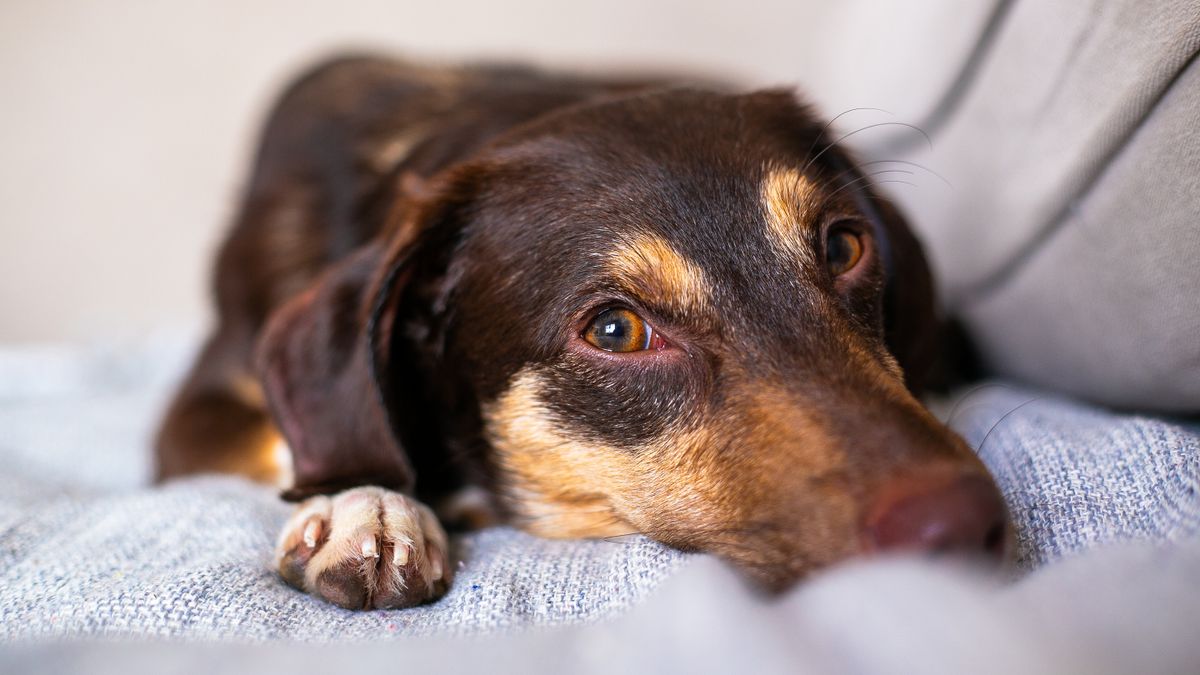
What normal dog heat cycle discharge can look like
Normal heat-cycle discharge can start bloody, then become thinner and more watery or pink as the cycle progresses. VCA describes bloody vaginal discharge as a sign owners often notice, and Cornell notes that discharge may commonly last 14 to 21 days.
That does not mean every dog looks the same. Some dogs leave obvious marks. Some keep themselves clean enough that the first clue is a stain on bedding. Some have more discharge during the first part of the cycle, then less later.
The safe way to write this down is not "this amount is normal." It is "this is what is usual for my dog." If the color, odor, amount, behavior, or energy level worries you, treat that as a vet question.
How to protect furniture without overusing a diaper
Protect furniture by combining washable zones, supervised diaper time, and quick changes rather than relying on one diaper for the entire day. A couch cover can handle supervised rest. A diaper can handle wandering around the house. A fresh liner can handle the replaceable wet layer.
| Home situation | Better protection choice | Why it helps |
|---|---|---|
| Supervised couch time | Washable blanket | Easy to remove and air out |
| Moving room to room | Fitted diaper | Keeps discharge from spreading |
| Light discharge inside a diaper | Replaceable liner | Swaps the damp layer quickly |
| Long nap | Fresh diaper setup first | Reduces time in a wet layer |
| Skin looks red | Diaper-free break | Lets you inspect and dry the area |
A dog diaper liner is an absorbent pad that attaches inside a dog diaper so the caregiver can replace the inner layer without changing the full diaper every time; PAWPANG's liners use adhesive backing for that inside placement. That definition matters because a liner is not a pee pad on the floor. It belongs inside a fitted diaper or wrap.
How often to check the inside layer
Check the inside layer every few hours during the day and after any moment that can shift the diaper: a nap, a walk, a play session, or a trip up the stairs. The exact interval depends on your dog's discharge, activity, and tolerance.
One mistake is judging only from the outside. The outer diaper may still look tidy while the part touching the body is damp. Another mistake is waiting for odor, because odor means the check is late.
If more than one person is helping, leave a simple note: last changed, last break, any redness seen. That small note prevents the "I thought you checked" problem.
Why discharge and urine need different handling
Discharge and urine should not be handled as the same moisture load. Heat-cycle discharge may be lighter and more gradual, while urine can overwhelm a thin layer quickly.
VCA notes that some female dogs in heat may urinate more often or mark small amounts. If your dog urinates in the diaper, change the wet layer promptly. Do not assume a liner meant for light discharge can stay in place after a full pee.
This is also why potty breaks still matter. A diaper is for managing accidents and discharge indoors. It should not replace normal outdoor bathroom opportunities.
Where liners fit in a discharge routine
Liners fit in the routine when the outer diaper still fits well and the main problem is changing the damp layer often. They are useful for owners who do not want to wash a reusable diaper after every light stain.
PAWPANG's dog diaper pads are listed for use with diapers, wraps, and belly bands, and the current US listing describes five adhesive strips to help keep the liner secure. For a female dog in heat, that means the outer diaper gives fit and coverage while the liner becomes the part you replace most often.
Customer reviews show the same split in real homes. Ann called them "dog panty liner" style pads for female and male dogs with washable diapers. Ivania wrote that her dog was having her first cycle and that a small pad worked with medium diapers. Those are practical fit notes, not universal promises.
What to do if the diaper rubs or your dog resists it
If the diaper rubs or your dog resists it, remove it and inspect the skin before deciding it is a training issue. Resistance can come from a poor fit, a twisted tail hole, trapped fur, a bunched liner, or too many hours without a break.
Try a shorter session after a clean change. Let her walk around for a few minutes while you watch the diaper. If it slides or bunches, fix the setup before using it longer. If she keeps licking, scooting, or acting painful, stop and talk to your vet.
How to clean between changes
Clean between changes gently and only as much as needed. Use pet-safe wipes or a damp cloth, then let the area dry before putting the diaper back on. Rubbing hard to remove every mark can irritate the skin more than the discharge itself.
Keep the process boring. Remove diaper, check skin, wipe if needed, dry, replace the liner or diaper, reward calm behavior. If your dog gets anxious, do fewer steps at once and keep sessions shorter.
When discharge becomes a vet question instead of a laundry question
Discharge becomes a vet question when it is paired with illness signs, strong odor, pus-like material, pain, fever, vomiting, unusual swelling, or a pattern that is not normal for your dog. A diaper routine should never delay care.
Cornell's overview explains the stages of the estrous cycle, including proestrus and estrus as what owners often call heat. That helps with timing, but it does not let a blog diagnose what is happening in your individual dog.
If you are unsure, write down the day of the cycle, what you saw, and what changed. Then call your veterinarian. That is more useful than guessing from a stain.
What supplies make the routine easier
The routine is easier when supplies live in one place: two clean diapers, liners, wipes, a towel, a small trash bag, and a washable blanket. Add a pen and note card if family members take turns.
The liner should appear in the basket as the replaceable insert, not as the whole plan. You still need a fitted diaper, normal potty breaks, supervised time, and judgment. For a product-focused next step, use PAWPANG's dog diaper liners inside the fitted diaper when the outer layer is still clean. The product's job is to reduce the number of times a lightly soiled outer diaper becomes a laundry event.
FAQ
How long does dog heat discharge last?
Cornell notes that bloody vaginal discharge is often seen for 14 to 21 days, though timing varies by dog. If the timing or appearance seems unusual for your dog, ask your veterinarian.
Can I use human pads for a dog in heat?
Some owners try them, but dog fit is different. A dog-specific diaper or liner setup is usually easier to center around the tail, hips, and leg openings.
Do liners replace dog diapers during heat?
No. Liners go inside a diaper or wrap. PAWPANG dog diaper liners are an inner layer, so they need a fitted outer diaper to hold them in the right place.
Should my dog wear a diaper outside?
Usually no for normal potty breaks. Remove or open the diaper so she can urinate normally, then check and replace the setup when she comes back inside.
When should I call the vet?
Call if discharge smells bad, looks pus-like, is paired with pain or low energy, or if your dog's pattern worries you. Talk to your vet if this continues.