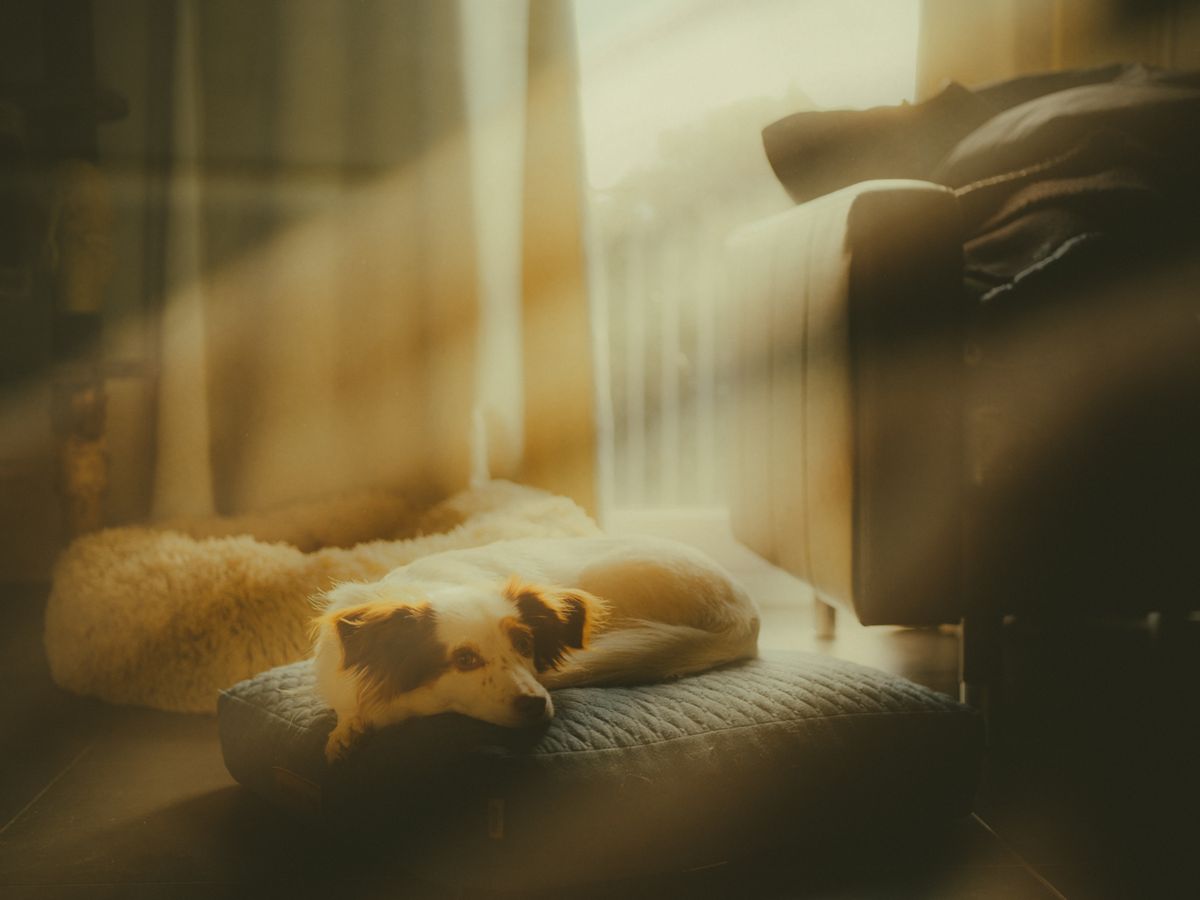

How do you set up a dog diaper routine for a long workday?

Yes, a dog diaper routine can work for a long workday if it is built around timing, skin checks, and a clear change plan rather than leaving one diaper on and hoping for the day to go well. The point is to make the hours predictable for the dog, the owner, and anyone who stops by.
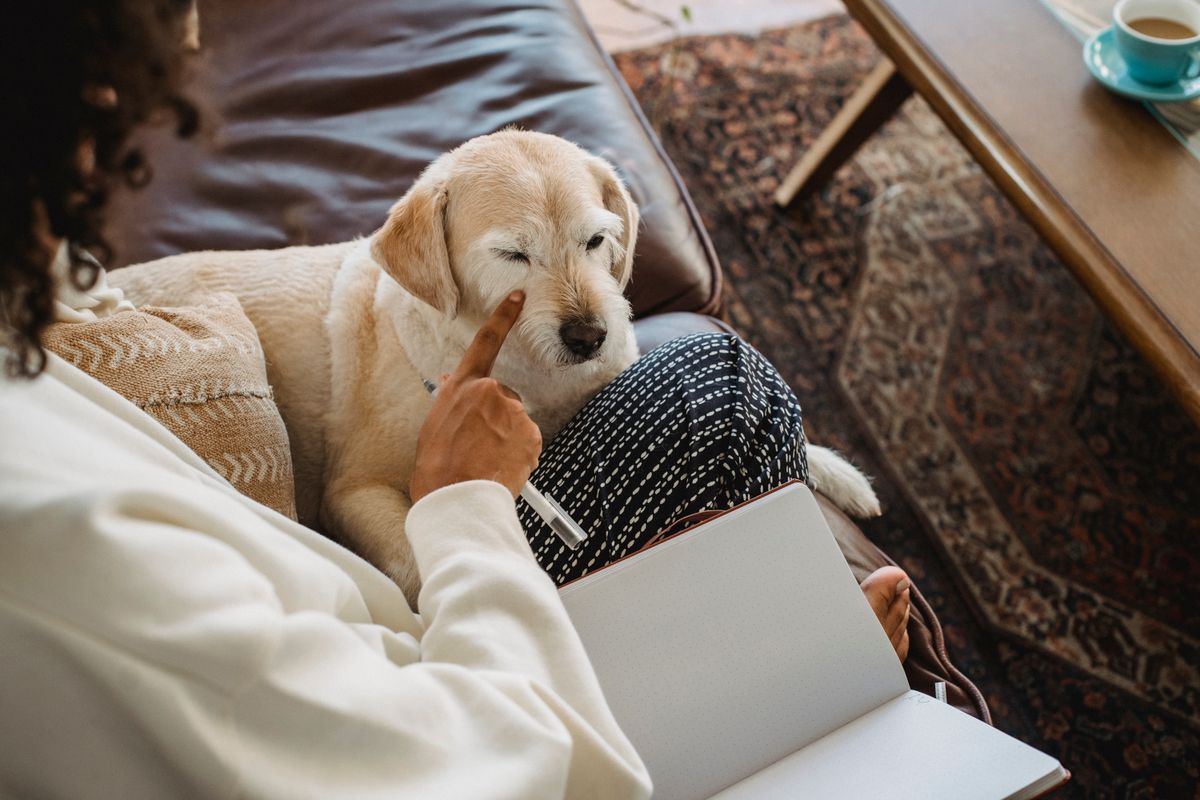
A long shift exposes every weak spot in a hygiene routine. The diaper that works for a two-hour errand may not be the diaper setup that works for a commute, a full workday, and a delayed ride home.
This is why the routine matters more than the product alone. A dog diaper liner is an absorbent pad that sits inside a disposable diaper, so the diaper shell does not have to carry the whole day by itself. One senior-pup household review described coming home after four hours to a soaked dog; that kind of note is uncomfortable, but it is exactly why the routine needs a check window instead of hope.
What should happen before you leave for work?
Start with a fresh walk, a clean diaper, and a dry skin check before you leave. That small sequence gives you a baseline, so any dampness later is not confused with what was already there in the morning.
Keep the morning calm. Feed, walk, wipe if needed, let the coat dry, then secure the diaper without pulling it tight around the belly or tail opening. If your dog has a history of urine leakage, the Merck Veterinary Manual notes that clinical signs can include unconscious urine passage, dribbling, or difficulty with urination. That is a reason to monitor carefully, not a reason to diagnose from home.
One practical habit is to keep a small departure tray by the door: diaper, liner, wipes, waste bag, and a note for the next check time. It sounds plain, but it removes the morning scramble.
How long can a dog wear a diaper during the day?
No single hour count fits every dog, so plan around check points instead of a promise. Size, urine volume, coat length, activity level, skin sensitivity, and whether a sitter can visit all change the answer.
| Workday situation | Better routine choice | Why it helps |
|---|---|---|
| 4 to 5 hours away | Fresh diaper before leaving, check at return | Short enough for many light-leak dogs, still needs a skin check |
| 6 to 8 hours away | Midday sitter or family check if possible | Reduces time spent in a damp diaper |
| 8 to 10 hours away | Planned liner change plus walk or potty break | Separates hygiene from wishful thinking |
| New accidents or strong odor | Vet call and shorter diaper windows | Pattern changes can have medical causes |
If no one can check your dog during a long day, build the evening routine honestly. Remove the diaper right away, wipe, dry, inspect the skin, and give the coat air time. Do not let the workday diaper become the evening diaper too.
What belongs in a midday check?
A midday check should answer four questions: is the diaper still secure, is the liner wet, is the skin dry, and did the dog seem comfortable moving around? The person checking does not need to be a medical expert. They need a repeatable list.
Ask the sitter to look at the tail opening, leg openings, and belly band area for twisting or rubbing. Then have them replace the wet layer, wipe only what is needed, and let the skin dry before re-fastening. If the diaper shell is clean, a liner change is often faster than replacing the whole setup.
This is where a replaceable liner is useful for workday routines. The peel-and-stick backing keeps the dog diaper pads attached inside the diaper, so the sitter can swap the absorbent layer without rebuilding the fit from scratch.
Should you use a sitter, camera, or both?
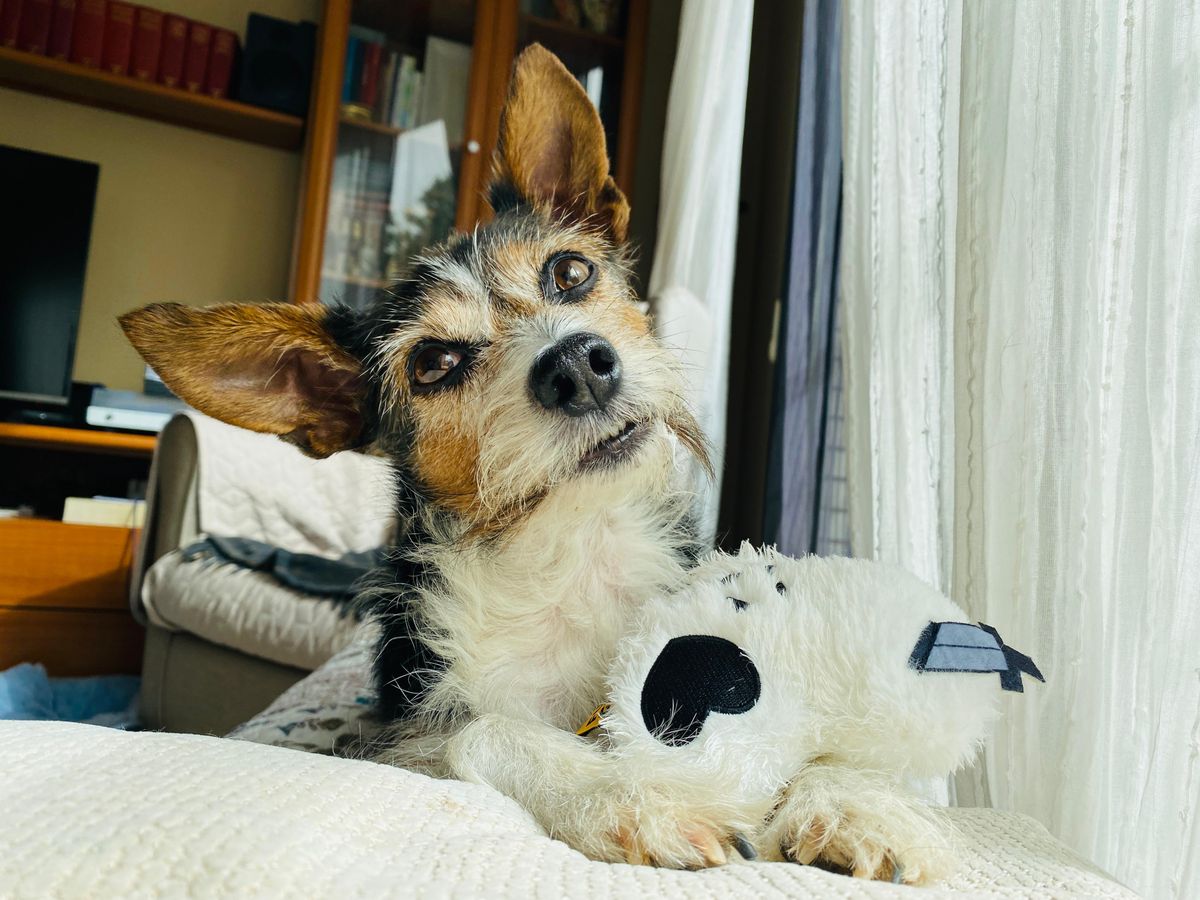
Use a sitter for hands-on hygiene, and use a camera only to understand behavior between visits. A camera can show pacing, licking, or a dog trying to remove the diaper, but it cannot dry skin or change a liner.
For dogs who get stressed alone, behavior is part of the hygiene plan. Cornell's Riney Canine Health Center describes separation-related distress as signs such as whining, howling, barking, pacing, house soiling, or destroying items after the owner leaves. If your camera shows that pattern, the routine needs behavior support as well as diaper supplies.
Leave the sitter one page, not a novel. Include the change time, where supplies are stored, what normal looks like, what should be photographed, and when to call you. The clearer the note, the less likely the sitter is to improvise.
How do you keep the diaper from causing rubbing?
Fit and dry time are the two parts owners can control. A diaper that shifts can rub, and a diaper that stays damp can make the skin uncomfortable.
Use the two-finger fit check around the waist. Check that the tail hole is not dragging the diaper to one side. Smooth the liner flat before fastening the diaper, because a folded corner can become the exact spot the dog keeps licking later.
The end of the day matters too. Give your dog diaper-free time when you can supervise, especially after a long stretch. If you see redness, swelling, broken skin, pain, repeated licking, blood in urine, straining, or accidents that suddenly change pattern, stop treating it as a laundry problem and talk to your vet. For a related senior-dog version of the same timing question, see this guide to checking a senior dog's diaper overnight.
What should your evening reset look like?
The evening reset should be boring and consistent: remove, clean, dry, inspect, record, and restock. You are trying to learn the pattern before it becomes a problem.
Write down whether the liner was barely damp, fully wet, twisted, or dry. After a week, that small log tells you whether the workday plan is realistic. If it is fully wet every day, the answer is not to stretch the diaper longer. The answer is a midday change, a different timing plan, or a vet conversation if the pattern is new.
Where do PAWPANG liners fit in the routine?
PAWPANG's dog diaper liners fit the part of the day where the diaper is still positioned well but the absorbent layer needs to go. That is common during long workdays, sitter visits, and evening resets.
They are not diapers, pee pads, or a medical product. They are a replaceable inside layer for a diaper routine. Used that way, PAWPANG liners can make the routine easier to repeat because the person doing the change has one simple job: peel out the wet liner, place a new one flat, and re-secure the diaper.
What should you change after the first week?
After the first week, adjust the plan based on evidence, not guilt. If your dog is dry and comfortable at the first check, the schedule may be working. If the liner is soaked before lunch, the routine is too long.
The useful questions are practical. Did the dog move normally? Did the diaper stay centered? Did the sitter understand the note? Was there any skin change? Did the dog seem anxious before you left? Those answers tell you what to change next.
For many homes, the better workday routine is not more complicated. It is one fresh setup in the morning, one planned check or liner swap if the day is long, and one careful reset as soon as the owner gets home.
FAQ
Can a dog stay in a diaper for a full workday?
Some dogs tolerate a workday routine, but it should not mean one unchecked diaper for 8 to 10 hours. Plan a fresh start, a midday check when possible, and an immediate evening reset.
Are dog diaper liners the same as pee pads?
No. Dog diaper liners attach inside a diaper, while pee pads sit on the floor. PAWPANG liners are made for the diaper routine, not for replacing walks or potty breaks.
What should I ask a sitter to do with the diaper?
Ask for a simple check: confirm fit, replace the wet liner, wipe only where needed, let the area dry, and send a photo if anything looks red, twisted, or unusual.
When should I call the vet?
Talk to your vet if accidents are new, urine has blood or a strong unusual odor, your dog strains, the skin looks painful, or the pattern keeps changing.