

How do you manage dog diapers after spay surgery when mobility is limited?

Manage diapers after spay surgery by making every change short, stable, and easy to reach, while following the discharge instructions from your veterinary team. A diaper can contain an accident, but it should never cover the incision, replace bathroom breaks, or explain away new leaking.
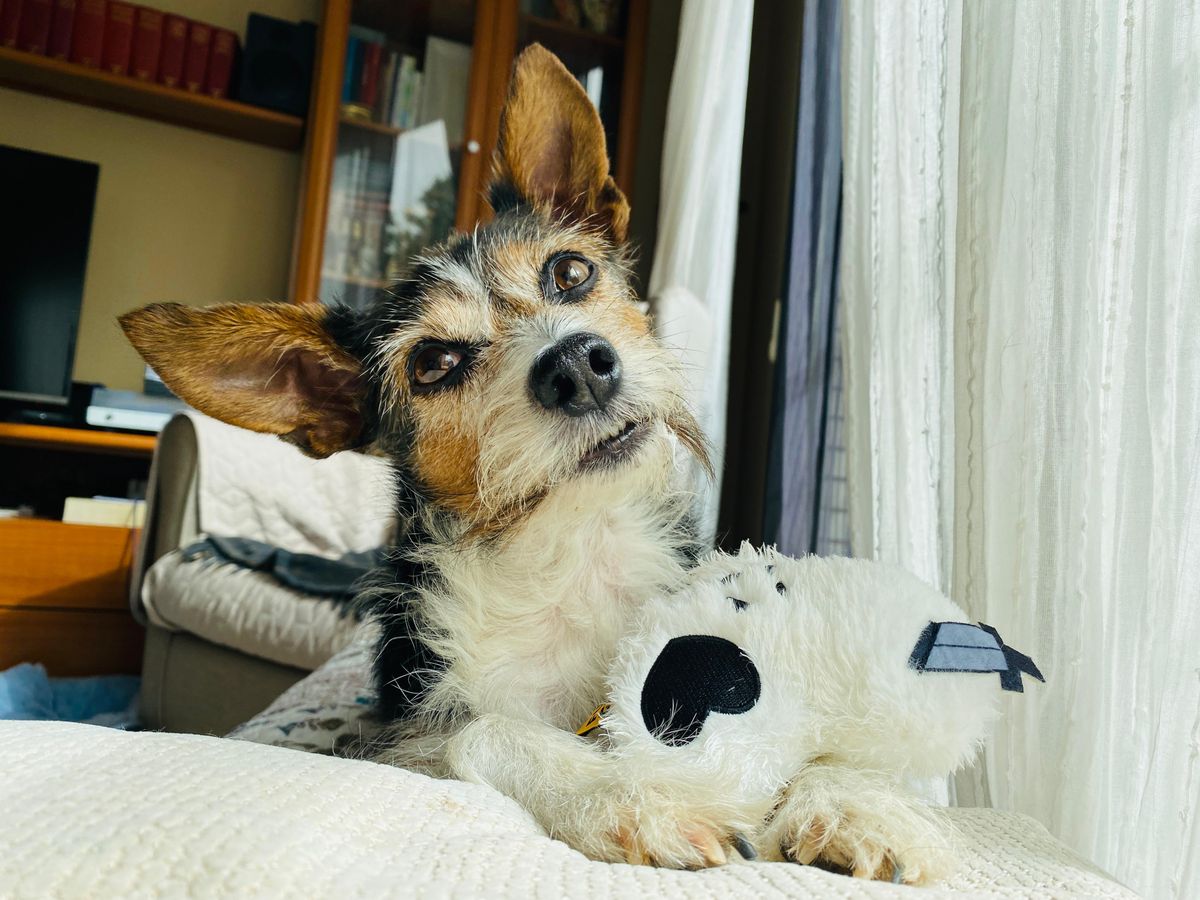
The first few days can feel awkward. Your dog may be reluctant to squat, slippery floors may look suddenly enormous, and you may be trying to protect both an incision and the furniture. The first slow walk from the resting mat to the door often reveals which rug slides, which doorway is too narrow, and which supplies were left too far away. A simple routine reduces handling without asking the diaper to do a medical job.
What should the routine look like on the first day home?
The first-day routine should follow the clinic's instructions and keep supplies within one step of the resting area. Set out clean diapers, liners, wipes approved by your veterinary team, waste bags, and a washable mat before your dog settles.
Offer scheduled outdoor breaks according to the discharge plan. Check the diaper between breaks and change it promptly after it becomes wet or soiled. Keep the incision visible and dry, and avoid any garment edge that rubs it.
A dog diaper liner is an absorbent pad that PAWPANG makes with a peel-and-stick backing so it attaches inside a compatible diaper and can be swapped without replacing the whole outer diaper. It manages cleanup only. It does not treat incontinence or change the recovery plan.
How can you make diaper changes easier for a dog that moves slowly?
Make the change at floor level on a nonslip surface, with everything open and ready before you invite your dog over. The AAHA senior-care guidance lists rugs or yoga mats, ramps, supportive harnesses, and appropriate beds among useful home modifications for mobility-limited pets. Although that guidance is written for senior care, these examples are cited only as practical traction and access ideas; for a younger post-operative dog, use only the setup changes your clinic clears.
Do not repeatedly lift and reposition a dog just to perfect the fit. Guide one small movement at a time, support only as your veterinary team has shown you, and stop if your dog resists or appears uncomfortable. A low basket beside the mat saves more effort than an elaborate changing station across the room.
| Moment | Set up before moving the dog | What to check |
|---|---|---|
| Wake-up | Leash, clean diaper, open liner | Wetness, skin, incision clearance |
| After a bathroom break | Dry cloth, fresh liner | Outer diaper is clean and dry |
| Midday rest | Nonslip mat, waste bag | Fit has not shifted or folded |
| Bedtime | Full fresh setup | No rubbing, dampness, or trapped stool |
Can a diaper touch the spay incision?
No, the diaper and liner should not press on, cover, or rub the incision. The exact location and the type of closure vary, so the veterinary team's discharge instructions take priority over any general fitting advice.
If the diaper cannot sit securely without reaching the surgical area, leave it off and use washable bedding or another setup approved by the clinic. Call the clinic about redness, discharge, opening, swelling, a bad smell, or any change that concerns you. A cleaner bed is never worth hiding the site you need to monitor.
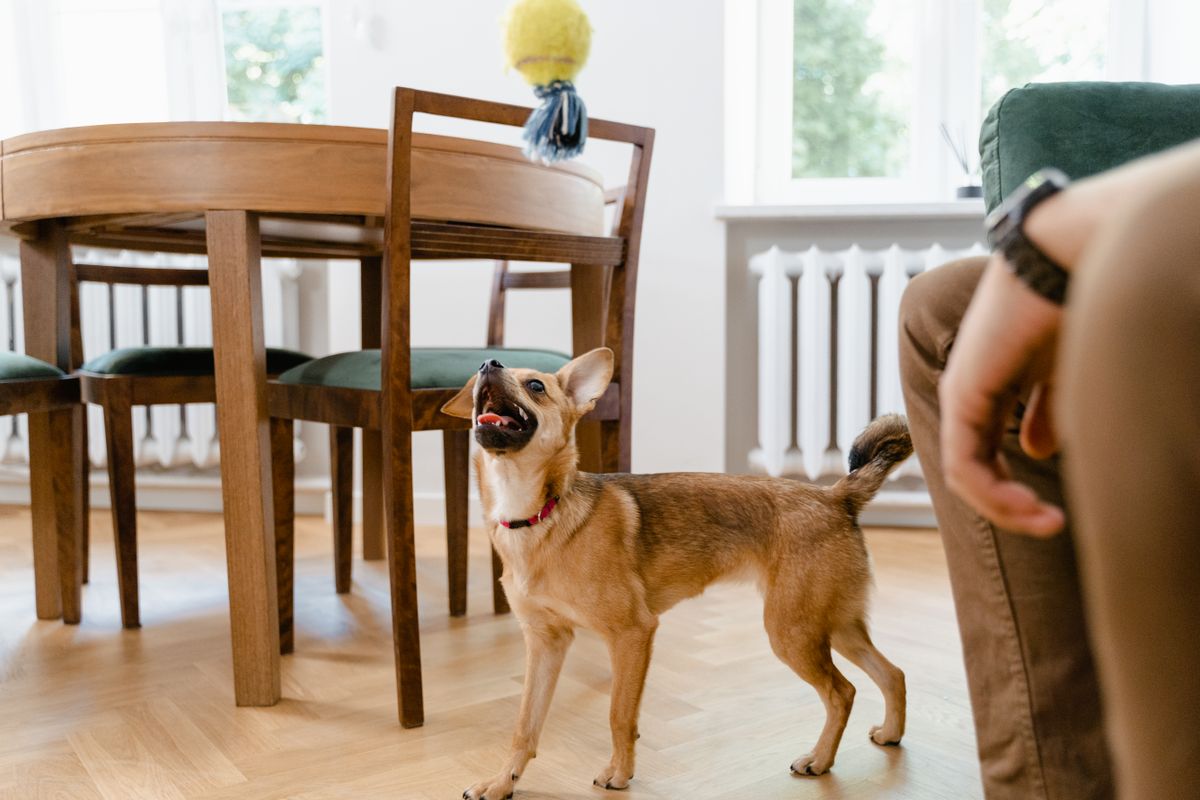
How often should you check and change the diaper?
Base the check frequency on what changed that day: drinking, outdoor urination, movement, and how the garment fits. Bathroom breaks are useful inspection points, but increase checks when activity or fluid intake changes instead of repeating the first-day schedule by habit.
The practical goal is a dry skin-and-fabric contact area, not stretching one liner as long as possible. If you cannot check for several hours, discuss the plan with the clinic or arrange a caregiver rather than assuming a thicker insert makes a long gap safe.
What belongs in a low-mobility changing station?
A useful station contains only what shortens the change: clean outer diapers, absorbent inserts, approved cleaning supplies, waste bags, and one spare mat. Put it beside the resting place, but outside chewing range.
PAWPANG dog diaper liners can fit this system when the outer diaper remains clean and well positioned. Peel the backing, attach the liner flat inside the diaper, and replace the liner when wet. Wrinkles, overhang, or a liner sitting near the incision mean the setup needs adjustment.
What if leaking starts after the surgery?
New leaking after surgery deserves a call to the veterinary team rather than a guess about its cause. The Merck Veterinary Manual explains that urinary incontinence means involuntary urine passage and can have several causes that require history and examination to classify.
Note when leaking happens, whether your dog is asleep or walking, the approximate amount, drinking changes, straining, and any visible discomfort. A diaper can keep the trip to the clinic cleaner, but it cannot distinguish a temporary accident from a urinary problem.
How do you protect traction and keep the fit secure?
Protect traction by clearing the route to the door and covering slick sections with secured runners or mats. Check that the diaper does not bind the hind legs, twist the tail opening, or slide as your dog takes several slow steps.
This is where a replaceable PAWPANG dog diaper liner may reduce unnecessary garment changes if the outer diaper is still dry. Fewer full changes can mean less turning and refastening, but fit and skin checks still happen every time. You can also review our guide to dog diaper routines for other home setups.
When should you stop the routine and call the vet?
Stop and call when you see a concerning incision change, repeated straining, inability to urinate, blood, marked discomfort, sudden weakness, vomiting, or behavior that does not match the clinic's recovery expectations. Follow the emergency directions on your discharge paperwork if the clinic is closed.
Write down what happened before removing the wet item, and take a photo only if doing so does not delay care. The diaper is a cleanup layer. Your veterinary team should direct the medical and activity plan.
FAQ
Can my dog wear a diaper immediately after being spayed?
Only if your veterinary team agrees and the garment stays completely clear of the incision. A PAWPANG liner may make cleanup simpler inside a compatible diaper, but neither item should conceal or rub the surgical site.
Should I use a larger diaper during recovery?
Do not size up automatically. A loose diaper can shift and rub, while a tight one can restrict movement. Use the maker's sizing guidance and check the fit while your dog stands and walks.
Can a liner replace outdoor bathroom breaks?
No. A liner contains accidents; it does not replace chances to urinate normally or any schedule in the discharge instructions.
What if my dog cannot squat comfortably?
Contact the clinic for handling and support guidance tailored to the surgery. Do not improvise a lifting method that pulls near the incision.
How long should the recovery diaper routine continue?
Use it only as long as it is useful, safe, and compatible with the veterinary plan. If leaking continues, talk to your vet.